Calculating the appropriate lumens for warehouse lighting is critical for both safety and efficiency. According to a report from the Illuminating Engineering Society, optimal illumination can enhance productivity by up to 20%. However, many facilities struggle with ensuring adequate light levels. "To achieve the best results, understanding how to calculate lumens needed for a warehouse is essential," states lighting expert Dr. John Marshall.
In warehouses, where tasks vary widely, lighting requirements can differ. For instance, areas for picking and packing may need brighter light than storage zones. A common recommendation is between 300 to 500 lumens per square meter for general tasks. However, this can vary based on factors like ceiling height and workspace configuration.
Many warehouses often underestimate their lumens needs, resulting in insufficient light that can lead to errors and accidents. Investing time to understand how to calculate lumens needed for a warehouse can lead to a safer and more productive environment. Hence, careful consideration of lighting not only fulfills regulatory standards but also boosts employee morale and performance.
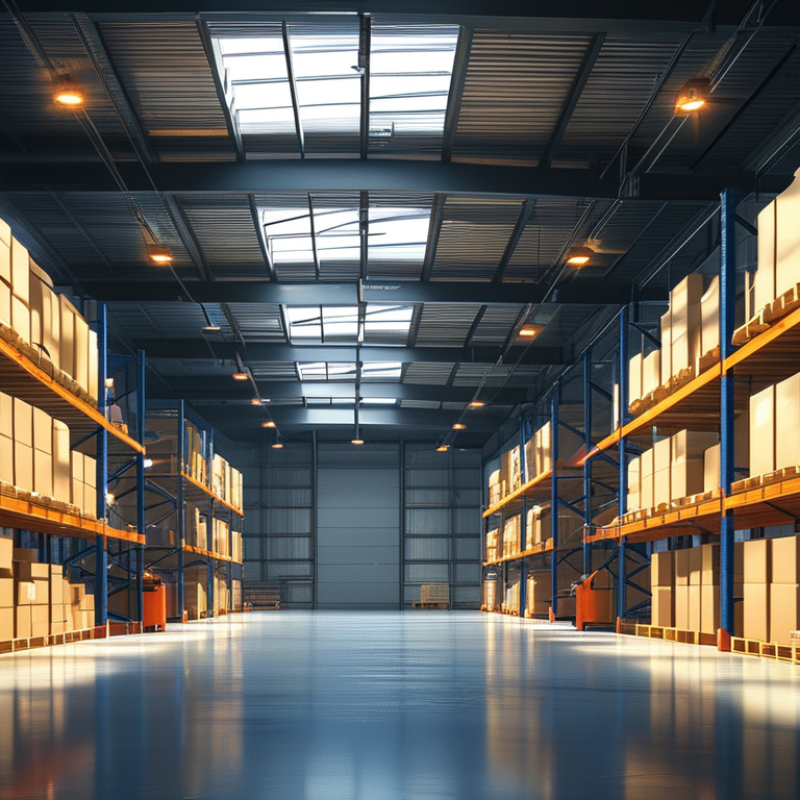
Understanding lumens is crucial for effective warehouse lighting. Lumens measure the total amount of visible light emitted by a source. According to industry standards, a well-lit warehouse should have between 100 to 300 lumens per square meter, depending on the tasks performed within. Higher precision tasks might require more lumens, while general storage areas may need less. This variability highlights the need for a tailored approach to lighting.
When designing a lighting layout, consider the height of the warehouse. Taller spaces often require fixtures that deliver a higher lumen output to ensure uniform light distribution. It’s important to avoid dark spots that can affect safety and productivity. Reports indicate that poor lighting can lead to a 20% decrease in productivity. Therefore, achieving the right lumen level is essential.
**Tips:** To assess your current lighting, use a light meter. This tool helps measure existing lumen levels. If you find light levels insufficient, consider upgrading your fixtures for improved lumen output and energy efficiency. Regularly reviewing your lighting setup can prevent potential issues and enhance the working environment.
This chart illustrates the recommended lumens required per square foot for various areas within a warehouse. Ensuring adequate lighting in these sections is crucial for safety and operational efficiency.
When determining the lumens needed for warehouse lighting, consider the specific activities conducted in the space.
Different tasks have varying illumination requirements. For instance, areas for assembly or packing might need brighter lights
than storage areas. The overall size of the warehouse also plays a crucial role. Larger spaces can appear dimmer without
sufficient lighting.
Lighting intensity can significantly affect productivity and safety. Poorly lit areas may lead to accidents and hinder employee performance.
It’s important to assess the types of activities, such as picking or loading, which require focused lighting.
Also, consider the height of the warehouse ceiling. Higher ceilings demand more lumens to ensure effective light distribution.
Tips: Aim for at least 100-150 lumens per square foot in general storage areas.
For tasks requiring precision, like assembly, 300-500 lumens per square foot may be necessary. Regularly evaluate
lighting conditions. As equipment and inventory change, so do lighting needs. Adapt your setup to ensure efficiency and safety
in the workspace.
Calculating the total area and height of your warehouse is crucial for estimating the required lumens for effective lighting. Start by measuring the length and width of your space. Multiply these dimensions to get the total area in square feet. This value helps determine the number of lumens needed for adequate illumination.
Next, consider the height of the ceiling. Heights influence how light disperses. Higher ceilings may require more lumens to ensure sufficient light reaches the floor. Measure the distance from the floor to the ceiling, which will aid in calculating the desired lumen output.
**Tips:** Use a measuring tape for accuracy. It’s easy to make mistakes with estimations. Also, consider the tasks performed in the warehouse. Different activities may require varying brightness levels. If heavy machinery is used, more lumens are necessary. Think about shadows; they can create safety hazards. Adjust your calculations accordingly to mitigate this risk.
| Area (sq ft) | Height (ft) | Recommended Lumens per sq ft | Total Lumens Needed |
|---|---|---|---|
| 5,000 | 15 | 30 | 150,000 |
| 10,000 | 20 | 25 | 250,000 |
| 15,000 | 25 | 20 | 300,000 |
| 20,000 | 30 | 22 | 440,000 |
| 25,000 | 35 | 18 | 450,000 |
Calculating the lumens needed for your warehouse lighting can seem overwhelming. However, using a clear formula simplifies the process. Start by assessing the total square footage of your warehouse. Multiply the square footage by the recommended lumens per square foot to get the total lumens required. For instance, a general guideline suggests about 50 lumens per square foot for warehouse spaces.
Another crucial factor is the height of your ceilings. High ceilings may require more lumens since light diminishes over distance. If your warehouse has shelving or storage areas, those zones need adequate lighting too. Measure each section to ensure even distribution of light.
Finally, consider the color of your walls and flooring. Lighter colors reflect light better than darker ones. This simple adjustment can influence your total lumen calculation. Regularly review your lighting effectiveness. Are there dark spots lingering? These reflections highlight the ongoing need to adapt. Pay attention to changing tasks in the warehouse as well. Different activities may require more or less light. Balancing these details creates an effective lighting solution.
When determining the right lighting for your warehouse, understanding lumens is crucial. Lumens measure the total amount of visible light emitted by a source. According to the Illuminating Engineering Society (IES), warehouses typically require about 300 to 500 lux for general tasks. This translates to approximately 3,200 to 5,400 lumens per 100 square meters.
Selecting suitable lighting options based on lumens calculations is essential. High bay LED lights are efficient and effective, providing high lumens output with low wattage. Consider the layout of your warehouse. For example, narrow aisles might need more focused lighting than open areas. Reflector designs can also enhance light distribution.
Tips: Evaluate your lighting periodically. Over time, even LED lights lose output. Remember to check for dark spots in your warehouse. Adjusting light placement can optimize visibility.
Think critically about your chosen lighting. Are you over-illuminating some areas? This can lead to increased energy costs. Use lumen calculators available online for customized results. A careful plan ensures safety and efficiency.
: Measure the length and width of the space. Multiply these numbers to find the total area in square feet.
Ceiling height affects light dispersal. Higher ceilings may need more lumens to reach the floor effectively.
Multiply the total square footage by the recommended lumens per square foot for your warehouse.
A common guideline suggests about 50 lumens per square foot for adequate warehouse lighting.
Yes, storage zones and shelving require even lighting. Measure each section for proper distribution.
Lighter colors reflect light better than dark colors, influencing the total lumen calculation.
Regularly check for dark spots. Consider if the lighting meets the needs of ongoing tasks in the warehouse.
Reflect on your current setup. You may need to adjust your calculations or add more lumens in those areas.
Absolutely. Varying tasks may require more or less light, so stay flexible with your lighting solutions.
No, continuously review your lighting effectiveness. Changes in tasks may necessitate updates in your lighting strategy.
When considering how to calculate lumens needed for a warehouse, it's crucial to understand the role of lumens in ensuring optimal lighting for various warehouse activities. Different tasks require varying levels of brightness, influenced by factors such as the type of activity, storage conditions, and the layout of the space. To accurately estimate the lumens required, one must begin by calculating the total area and height of the warehouse, enabling a tailored approach to lighting needs.
Utilizing the appropriate formula is essential for determining the total lumens required based on the specifics of the warehouse environment. Once the lumens calculation is complete, selecting suitable lighting options becomes achievable. This systematic approach ensures that the warehouse is well-lit, enhancing productivity and safety, while also optimizing energy efficiency.