How to Easily Convert Old Metal Halide to LED High Bay?

Time:2026-07-11 Author:Sienna
0%

The transition from old metal halide lighting to LED high bays is gaining traction in various industries. According to a 2022 report by the Department of Energy, switching to LED can result in energy savings of up to 60%. This shift not only lowers electricity costs but also enhances lighting quality. Businesses are increasingly seeking solutions on how to convert old metal halide to LED high bay efficiently.

Expert John Smith, a recognized authority in industrial lighting, emphasizes, "Investing in LED technology is not just a trend; it's a necessity for sustainability." His insights highlight the growing importance of energy-efficient lighting, especially as companies aim to reduce their carbon footprint. As we explore methods for this conversion, it is essential to address the nuances involved.

Converting old systems is not always straightforward. Challenges may arise in compatibility and installation processes. However, the benefits—both financial and environmental—often outweigh the difficulties. Embracing this change can lead to substantial improvements in overall operations and contribute to a greener future.
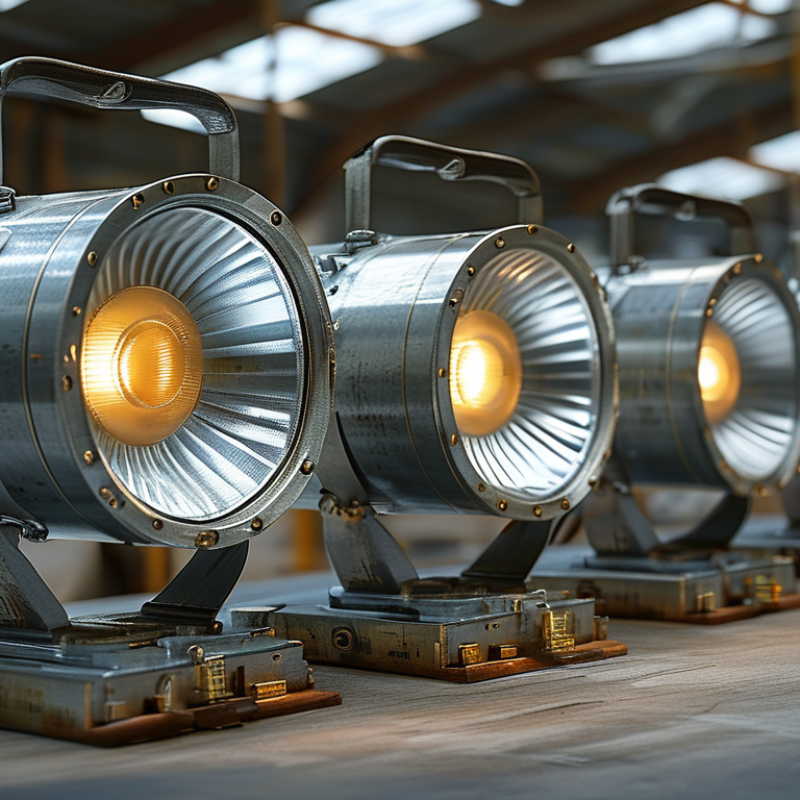
How to Easily Convert Old Metal Halide to LED High Bay?

Understanding Metal Halide and LED Technology

Metal halide lamps have been a staple in high bay lighting for years. They produce a bright, white light and are often used in warehouses and large retail spaces. However, they come with drawbacks. These include longer warm-up times, shorter lifespan, and they consume more energy than contemporary technologies.

LED technology, on the other hand, offers improved efficiency and durability. LEDs can last up to 50,000 hours, while metal halides might only last around 15,000 hours. This longevity not only reduces replacement costs but also minimizes waste. Additionally, LEDs emit less heat, contributing to better energy management in large areas.

When converting to LED, there are practical tips to keep in mind. Ensure your electrical system can handle the LED fixtures' requirements. It’s wise to assess the current light levels. This helps in selecting the right brightness for your space. Consider using dimmable LEDs. They provide flexibility in lighting and can help save more energy when full brightness isn't needed.

Choose reputable suppliers to ensure quality. The market offers many options, but not all are created equally. Research products and read customer reviews to make a well-informed decision. Lastly, do not overlook installation. Poor installation can lead to subpar performance. Engage professionals or ensure a thorough understanding of DIY methods for a successful transition.

How to Easily Convert Old Metal Halide to LED High Bay? - Understanding Metal Halide and LED Technology

Parameter Metal Halide (MH) LED High Bay
Wattage 250W - 1000W 100W - 400W
Lumens Output 18,000 - 100,000 lm 10,000 - 50,000 lm
Lifespan 15,000 hours 50,000 hours
Energy Efficiency 70-90 lm/W 100-150 lm/W
Heat Production High Low
Dimming Capability Limited Widely Available
Color Rendering Index (CRI) 60-70 80-90

Benefits of Converting Metal Halide to LED High Bay

Converting from metal halide to LED high bay lighting has numerous benefits. For starters, LED fixtures consume significantly less energy. Switching to LEDs can cut energy costs by up to 70%. This reduction in wattage translates into substantial savings on utility bills.

Another advantage is the longer lifespan of LED lights. While metal halide bulbs typically last about 15,000 hours, LED lights can shine for over 50,000 hours. This longevity means fewer replacements and reduced maintenance headaches. Imagine not having to climb high bays for bulb changes multiple times a year.

Additionally, the quality of light improves with LEDs. They provide a bright, uniform illumination that enhances visibility in workspaces. However, it's essential to consider installation challenges. Older fixtures may require some adjustments for LED compatibility. Reflecting on these aspects can help make the conversion process smoother.

Converting to LED is not just a step forward; it's a way to embrace energy efficiency and operational practicality.

Step-by-Step Guide to Remove Old Metal Halide Fixtures

Removing old metal halide fixtures can seem daunting. However, with the right approach, it becomes manageable. Begin by gathering the necessary tools: a ladder, safety goggles, gloves, and basic electrical tools. Make sure to turn off the power supply before starting.

Carefully climb the ladder to access the metal halide fixture. Pay close attention to the wiring. You may encounter corroded wires or connections that require extra effort to remove. Using wire cutters, disconnect the fixture from the electrical box. Take notes on how the wiring was connected; this will help during the installation of the new LED fixture.

Once the old fixture is down, inspect the mounting hardware. Sometimes, replacements are needed for a secure fit. Look for rust or damage on the installation points. This step is crucial for ensuring the new LED fixture is stable. Reflect on the condition of the old fixture—it highlights the importance of upgrading to LED for better efficiency and longer life.

Selecting the Right LED Replacement for High Bay Lights

When selecting the right LED replacement for high bay lights, one must consider several factors. The efficiency of LED lights can be up to 90% more than metal halide fixtures. This conversion significantly reduces energy costs. A report by the Department of Energy highlights that switching to LED can save up to $75 per fixture annually in energy expenses alone.

Finding the correct wattage is crucial. In general, a 400W metal halide fixture can be replaced with a 150-200W LED fixture. This conversion not only matches the light output but enhances the lifespan of the lighting system. LEDs last up to 50,000 hours, compared to 10,000 hours for metal halide lights. However, quality matters. Not all replacements carry the same lumens per watt efficacy. Some cheaper options may lead to disappointment.

Don’t overlook the importance of color temperature. High bay lights are available in various color temperatures, typically ranging from 3000K to 5000K. Choosing the right color temperature impacts worker productivity and visibility. The right choice can boost morale and reduce errors on the job. Yet, many installations fail to consider this aspect. Understanding the needs of the space is vital for optimal lighting solutions.

Installation Process for New LED High Bay Fixtures

Converting old metal halide lights to LED high bay fixtures can greatly enhance energy efficiency. The installation process requires careful planning and attention to detail. Understanding your existing setup is critical. Assess the wiring, mounting height, and fixture dimensions before beginning.

Begin by turning off the power supply. This is essential for your safety. Remove the old metal halide fixture and ensure that all wiring is accessible. Installing the new LED high bay light should ideally involve proper mounting brackets. Use sturdy hardware to secure the new fixture in place.

Tips: Double-check all connections before applying power. Loose wires can cause dangerous issues. Consider using wire nuts for secure connections. Ensure the fixture is leveled during installation to avoid uneven lighting.

It's common to face challenges during installation. Adjustments may be needed if the light doesn’t sit correctly. Avoid rushing this step. Taking your time can prevent future frustrations. After installation, test the lights to confirm they work as expected. Good lighting is essential for visibility and safety in any space.

FAQS

: What are the main drawbacks of metal halide lamps?

: Metal halide lamps have longer warm-up times, shorter lifespans, and higher energy consumption compared to newer technologies.

How long do LED fixtures typically last?

LED fixtures can last up to 50,000 hours, significantly longer than metal halide lamps that last around 15,000 hours.

What should I check before converting to LED lighting?

Assess your electrical system to ensure it can handle LED fixtures. Check current light levels for proper brightness selection.

Why choose dimmable LEDs?

Dimmable LEDs provide flexibility in lighting and help save energy when full brightness isn’t necessary.

How important is installation for LED fixtures?

Proper installation is crucial for optimal performance. Engaging professionals or understanding DIY methods can result in better outcomes.

What tools do I need to remove old metal halide fixtures?

You'll need a ladder, safety goggles, gloves, and basic electrical tools. Ensure the power supply is turned off first.

How do I know which LED replacement to choose?

Consider the wattage; a 400W metal halide can be replaced by a 150-200W LED. Evaluating lumens per watt is also essential.

What color temperature should I select for LED high bay lights?

Choose between 3000K and 5000K. The right color temperature affects productivity and visibility in the workspace.

Can I expect cost savings by switching to LED?

Yes, switching to LED can save up to $75 per fixture annually in energy costs, according to the Department of Energy.

What should I reflect on when removing old fixtures?

Consider the condition of the old fixture. It emphasizes the need to upgrade to LEDs for better efficiency and longevity.

Conclusion

Converting old metal halide fixtures to LED high bay lights can significantly enhance energy efficiency and improve lighting quality. The process begins with understanding both metal halide and LED technology to appreciate their operational differences and advantages. The benefits of converting include reduced energy costs, longer lifespan, and lower maintenance needs.

The step-by-step guide outlines how to safely remove the old metal halide fixtures and highlights the importance of selecting the right LED replacements, ensuring they meet the specific lighting requirements. Finally, the installation process for the new LED high bay fixtures is detailed, providing clarity for a smooth transition. Overall, this article serves as a comprehensive resource for anyone looking to learn how to convert old metal halide to LED high bay efficiently and effectively.

Sienna

Sienna

Sienna is a skilled marketing professional with a deep expertise in our company’s core products and services. With a passion for innovation and detail, she plays a pivotal role in crafting insightful blog posts that not only highlight the unique features of our offerings but also provide valuable......