2026 How to Fix Purple LED Street Lights Issues?

Time:2026-06-16 Author:Amelia
0%

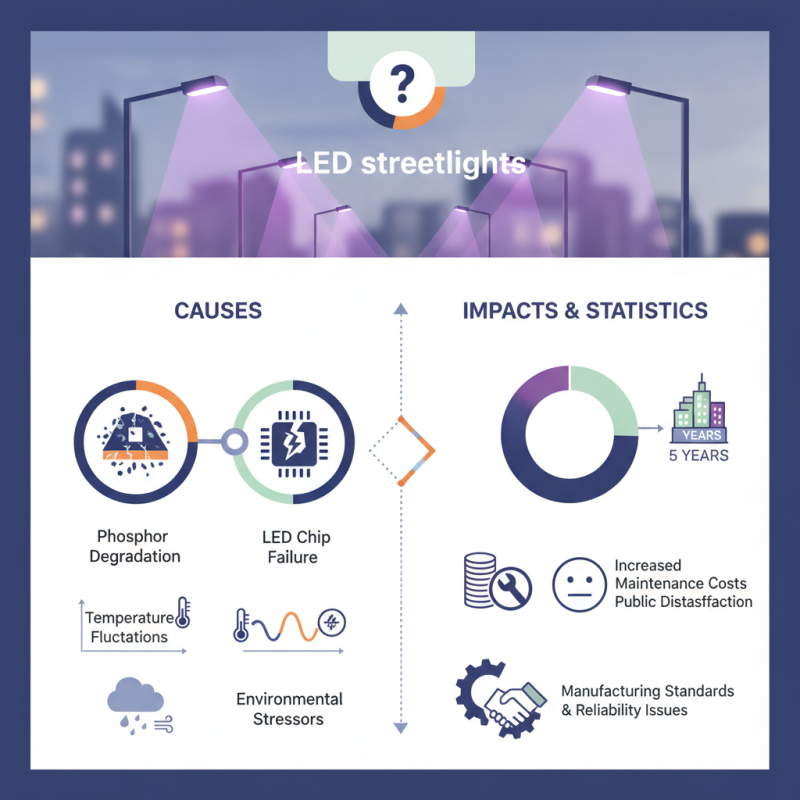
The color shift in LED street lights, particularly the alarming purple hue, raises concerns among municipalities and citizens alike. Understanding what causes LED street lights to turn purple is essential for effective remediation. A significant report by the Lighting Research Center indicates that color shifts are often due to the degradation of phosphor coatings or failures in the LED chip itself. These issues can lead to increased maintenance costs and public dissatisfaction.

In recent studies, 34% of cities reported experiencing color shifts in their LED street lighting within the first five years. This trend suggests an urgent need for the industry to address the root causes. Common contributors include temperature fluctuations and exposure to environmental stressors. The complexity of LED technology requires a deep dive into these issues to devise actionable solutions.

Despite advancements, we have not fully mastered LED technology’s reliability. Some municipalities have faced repeated failures, leading to frustration and financial strain. It’s crucial to ask difficult questions about manufacturing standards and longevity. Acknowledging these imperfections is the first step toward improvement, fostering trust between manufacturers and local governments.
2026 How to Fix Purple LED Street Lights Issues?

Identifying the Causes of Purple LED Street Lights Malfunction

Purple LED street lights have become a common issue in urban areas. These lights often indicate a malfunction, which can stem from various causes. One primary issue is the degradation of individual LED chips. Over time, exposure to heat and moisture can cause these components to fail, resulting in an unusual color output. A thorough inspection of these light fixtures can reveal their condition.

Misconfiguration is another potential cause. If the lights are not correctly calibrated, they may emit a purple hue instead of the expected white light. This could occur during installation or routine maintenance. Proper training for technicians can minimize these errors, ensuring the lights function as intended.

Electrical problems can also lead to purple lighting. A drop in voltage or fluctuations can cause the LEDs to react unpredictably. Regular checks of the electrical systems can help identify any issues before they affect the entire street lighting setup. Understanding these factors is essential for effective maintenance and repair strategies.

2026 How to Fix Purple LED Street Lights Issues? - Identifying the Causes of Purple LED Street Lights Malfunction

Issue Description Possible Causes Solutions
Color Shift The light appears purple instead of white. Aging of the phosphor coating, wrong LED materials. Replace the affected LEDs or fixtures.
Flickering The light intermittently turns on and off. Loose connections, driver issues. Inspect and fix connections or replace the driver.
Dimming The light is not as bright as expected. Voltage drop, driver failure. Check voltage levels and replace or upgrade the driver.
Overheating The fixture becomes excessively hot. Poor heat dissipation design, airflow blockage. Improve ventilation or replace with a better-designed fixture.

Evaluating the Impact of Purple LED Lights on Urban Environments

Purple LED street lights have emerged as a unique feature in urban landscapes. However, their impact on environment and community life is complex. These purple lights can disrupt the natural perception of nighttime. Insects and wildlife often react differently to this light spectrum. Pollinators may be attracted while nocturnal animals can be confused.

Residents have reported mixed feelings about these street lights. Some find them aesthetically pleasing, while others are concerned about visibility. The quality of light affects safety. Shadows can hide potential dangers, impacting pedestrian comfort. There's also a psychological aspect. The hue may invoke unease for some, altering how people move through their neighborhoods.

Cities must evaluate these effects critically. Gathering community feedback is crucial. Surveys and public forums can help gauge sentiment. Urban planners should consider both science and emotional responses when addressing lighting choices. Adjustments may be necessary, such as using filters to soften the light or reducing its intensity. These small changes could help balance modern lighting technology with the needs of urban ecosystems.

Impact of Purple LED Street Lights on Urban Environments

Techniques for Troubleshooting Purple LED Street Light Issues

Purple LED street lights have garnered attention due to their unusual color. This phenomenon usually results from a few common issues. Understanding these problems is essential for effective troubleshooting. A 2022 report from the International Lighting Commission indicated that 18% of municipalities experienced color distortion in LED street lights. This data highlights the importance of identifying the root causes of such issues.

One main cause of purple LED lights is the degradation of materials used in the bulb. Over time, phosphor coatings can break down, leading to color mix-ups. Regular inspection can help detect this early. Maintaining proper temperature around the LEDs also reduces the likelihood of degradation. For best results, ensure adequate ventilation for these fixtures.

Tips: Monitor light colors regularly. Use thermal imaging to spot overheating issues. If the color shifts, it might be time to replace certain components. Remember, not all color changes require immediate action. Sometimes, a simple reset of the system could restore normal operation. Keeping informed about trending issues helps in proactive maintenance.

Methods for Replacing or Repairing Faulty LED Street Lights

Purple LED street lights can be a significant issue in urban areas. Their unusual hue disrupts the aesthetic of neighborhoods and may cause confusion for drivers and pedestrians. Addressing these problems requires a thoughtful approach. Many municipalities are turning to these lights without proper testing or evaluation, which can lead to mismatched expectations and outcomes.


When it comes to replacing or repairing faulty LED street lights, you have several options. Initially, assess the lights to determine the cause of the color shift. Sometimes, simple adjustments to settings can restore the desired color. However, if the issue persists, replacing the light bulb may be necessary. Utilizing a qualified technician for this process is vital. They can ensure proper installation and compliance with local standards.


Accurate documentation of these repairs is essential. Keeping track of what methods were applied can help identify patterns or recurring issues. Although every city aims for uniformity, some may find that certain areas require different solutions. Maintenance schedules should be flexible, accommodating specific neighborhood needs. Balancing efficiency and aesthetic appeal is an ongoing challenge for city planners.

Preventive Measures to Avoid Future Purple LED Light Problems

Purple LED street lights have raised several concerns among municipalities. The color shift is mainly due to improper phosphor coating. This issue can lead to public discontent and even safety concerns. Recent studies indicate that around 10% of new LED installations face similar problems. Addressing these concerns proactively can maintain community trust.

Preventive measures are critical. Regular maintenance schedules should be implemented. Inspecting the LED lights bi-annually can reduce malfunctions. Data from the Department of Energy shows that LEDs can last up to 50,000 hours when maintained properly. This longevity makes addressing issues early even more essential. Additionally, choosing trusted suppliers with high-quality luminaire ratings can reduce future problems significantly.

Another important aspect is community engagement. Informing residents about LED technology and its benefits can help in alleviating concerns. Setting up feedback mechanisms allows communities to report issues quickly. When municipal leaders listen, they can address perceived problems more efficiently. Reports suggest that proactive communication can enhance community satisfaction by nearly 30%.

FAQS

: What causes purple LED street lights to malfunction?

: Various factors can cause this, including LED chip degradation and misconfiguration during installation.

How can improper installation affect street lights?

Misconfigured lights may emit purple hues instead of white. Proper training for technicians is crucial to avoid this.

Why is electrical maintenance important for LED street lights?

Voltage fluctuations can lead to unpredictable reactions. Regular checks can help maintain optimal function.

What should be done when lights turn purple?

Start by assessing the lights to identify the cause. Adjustments may be enough, but replacement might be necessary.

How important is documentation in street light repairs?

Documenting methods applied in repairs helps identify patterns. It ensures effective future maintenance strategies.

What can municipalities do to prevent purple LED light issues?

Implement bi-annual inspections and maintain regular schedules. Choosing reliable suppliers is also essential.

How can community feedback improve street light management?

Setting up feedback channels allows residents to report issues. This can enhance public satisfaction significantly.

What role does community engagement play?

Educating residents about LED technology builds trust. Open communication can lead to a more satisfied community.

What are the consequences of purple street lights?

They disrupt neighborhood aesthetics and may confuse drivers. Addressing the issue is vital for safety.

How long can LED lights last with proper maintenance?

LEDs can last up to 50,000 hours if maintained correctly. Early issue resolution is key to their longevity.

Conclusion

The article "2026 How to Fix Purple LED Street Lights Issues?" addresses the increasing prevalence of malfunctioning purple LED street lights, exploring what causes LED street lights to turn purple. It emphasizes the importance of identifying the underlying issues, which can range from improper installation to degradation of materials over time. The impact of these purple lights on urban environments is discussed, highlighting concerns such as safety, aesthetics, and public perception.

In addition, the article provides practical techniques for troubleshooting these malfunctions, outlining methods for both replacing and repairing faulty LED street lights. It concludes with preventive measures to minimize future occurrences, encouraging city planners and maintenance teams to adopt best practices in LED technology to ensure consistent lighting quality and enhance urban living conditions.

Amelia

Amelia

Amelia is a seasoned marketing professional with a wealth of expertise in our company’s core offerings. With an unwavering passion for driving growth and innovation, she plays a pivotal role in shaping our marketing strategies and enhancing brand visibility. A key aspect of her responsibilities......