When it rains, many homeowners notice their LED solar lights stop working. This curious phenomenon invites questions about reliability and design. Renowned lighting expert Dr. Emily Carter states, "Moisture can disrupt the circuitry, leading to failures in solar lights." Her insights highlight a common concern.
Understanding why LED solar lights fail after rain involves exploring various factors. The solar panels absorb energy to power the LEDs. However, water may seep into the housing, causing electrical shorts. Many models lack sufficient waterproofing, which is critical for outdoor use. This vulnerability can leave consumers frustrated.
Some may overlook these details while purchasing. Aesthetic features often overshadow functional aspects. It's essential to prioritize quality over appearance. Investing in durable products can save money and increase longevity. Homeowners must reflect on their choices. Exploring these nuances might reveal why LED solar lights stop working after rain.
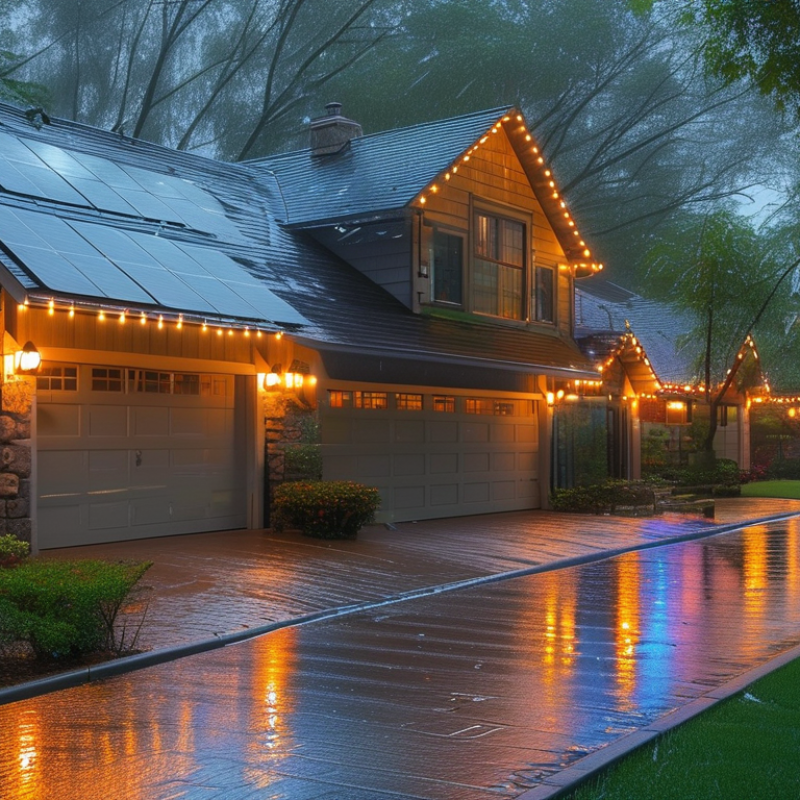
Rain can affect LED solar lights in various ways. Water can seep into the housing if seals are poor or compromised. This can cause short circuits, damaging the internal wiring. Additionally, moisture may create rust or corrosion on exposed components, which leads to malfunction.
Another issue is the battery. Solar lights rely on sunlight to charge their batteries. Rain often comes with clouds, reducing sunlight exposure. If a solar light doesn’t receive enough sunlight, the battery may not hold a charge. Consequently, it may die shortly after rainfall, affecting its reliability.
Lastly, positioning matters. If solar lights are placed in low-lying areas, water may pool around them. This not only increases the chance of water damage but also hampers their ability to recharge. Regular checks and maintenance can help mitigate these problems. Ensuring proper placement and seal integrity can prolong the life of solar lights significantly.
When considering the performance of LED solar lights, waterproof ratings are crucial. These ratings indicate a product's ability to withstand moisture and rain. A common rating is IP65, which means the device is dust-tight and can handle water jets. However, many consumers may assume this rating guarantees complete protection during heavy rain. It's essential to recognize that even well-rated products can fail under severe conditions.
Common issues arise when solar lights are installed in areas with stagnant water or where they are constantly exposed to strong winds. Water can seep into the units, damaging internal components. This can lead to flickering lights or a total shutdown, leaving users frustrated. Regular maintenance and inspection of these lights can prevent such problems.
It's important to check the manufacturer's specifications before purchasing. Not all solar lights are created equal when it comes to moisture resistance. Some users may feel confident using low-rated lights, but this can lead to disappointment. Understanding these ratings helps in making informed choices, ensuring the longevity of the lighting system. Investing time in research can pay off, leading to reliable solar lighting that endures through rain and shine.
Moisture can significantly impact solar batteries and connections in LED solar lights. After a rain, water may seep into the battery compartment. This can create corrosion over time. Corroded terminals can lead to interrupted power flow. It’s crucial to regularly check and clean these connections.
Humidity is also a culprit. High moisture levels can cause oxidation. This affects the efficiency of solar panels. A less efficient panel means less power for the battery. In some cases, solar lights may stop working completely after a rainstorm. This issue deserves attention and maintenance routines.
Reflect on the design of solar lights. While many claim water resistance, not all models live up to that promise. It’s essential to choose products with robust weatherproof ratings. Regular maintenance can prevent potential failures. Investing in quality can save you time and frustration down the line.
This bar chart illustrates the average efficiency of LED solar lights on sunny days versus rainy days. As shown, the efficiency drops significantly during rain due to the impact of moisture on solar batteries and connections.
LED solar lights are increasingly popular, but they can face issues after rain. Common problems stem from moisture affecting solar panel performance. Water can seep into connections, leading to malfunctioning lights. It’s essential to understand these issues for better maintenance.
Some solar panels are designed to be waterproof, but not all can withstand heavy rain. A compromised seal might allow water penetration. When this occurs, you may notice flickering or non-functional lights. Regular inspection of the panels and connections is crucial. Look for cracks or signs of wear.
Tips: Ensure your solar lights have proper drainage. Elevate panels slightly to prevent water accumulation. Regularly clean the panels to avoid dirt build-up that can hinder performance.
Conduct routine checks on light fixtures. If you notice signs of corrosion, replace affected parts promptly. This proactive approach helps maintain optimal function during wet conditions. Remember, solar lights thrive with proper care and preventative maintenance.
LED solar lights can be a convenient and energy-efficient lighting solution. However, rain poses risks to their functionality. One major issue is water ingress. According to industry studies, around 75% of solar light failures occur due to moisture-related problems. This can lead to corrosion of internal components or failure of the battery.
To prevent these issues, proper maintenance is essential. Ensuring that solar lights are installed in well-drained areas reduces standing water risks. Regular checks for cracks or damaged seals can enhance product durability. Also, using protective coatings can shield key components from moisture. These steps can increase the average lifespan of solar lights significantly. Reports indicate that devices with adequate weatherproofing can outlast their less-protected counterparts by up to 50%.
User reviews often reflect dissatisfaction with lighting performance after rain. Some users report lights functioning intermittently or not at all. These experiences highlight the need for customer education on maintenance. By taking simple preventive measures, one can ensure a more reliable lighting experience and prolong the life of solar LED lights.
| Issue | Possible Cause | Preventive Measures | Expected Lifespan Enhancement |
|---|---|---|---|
| Dimming or Flickering Light | Moisture inside the fixture | Seal fixtures properly; use waterproof designs | +1-2 years |
| Complete Failure to Light | Battery damage due to prolonged exposure to water | Regular battery maintenance; replace damaged batteries | +2-3 years |
| Shortened Charge Duration | Dirt or debris blocking solar panels | Clean solar panels regularly | +1 year |
| Corrosion of Components | Exposure to water over time | Use corrosion-resistant materials | +3-5 years |
| Overheating | Water trapped in housing | Ensure proper drainage; ventilated housing | +2-4 years |
: Poor seals can let water in, causing short circuits. This damages wiring and leads to failure.
Rain often blocks sunlight, reducing charging. Insufficient sunlight can cause batteries to die quickly.
Low-lying areas can pool water around lights. This increases damage risk and affects recharging abilities.
Waterproof ratings indicate moisture resistance. Ratings like IP65 suggest protection but may not guarantee it fully.
Stagnant water can lead to seepage, causing internal damage. This may result in flickering or complete shutdown.
Regular checks for moisture and damage are crucial. Inspect seals and connections to prevent malfunctions.
Elevate panels to avoid water pooling. Clean them regularly to prevent dirt that can block sunlight.
Routine inspections and prompt replacements of corroded parts help maintain function. Proactive care is key.
Lack of drainage can cause water buildup, leading to electrical failures and reduced effective charging.
Flickering may indicate water damage. Check for moisture in connections or consider replacing faulty components.
LED solar lights are a popular choice for outdoor illumination, but many users face the issue of malfunction after rain. Understanding why do LED solar lights stop working after rain involves examining several factors. One primary cause is the impact of moisture on solar batteries and connections, which can lead to corrosion or short-circuiting. Additionally, the waterproof ratings of the lights play a crucial role; inadequate ratings can allow water to infiltrate and damage components.
Further issues can arise from the performance of solar panels in wet conditions, where dirt and debris can hinder energy absorption. To enhance the longevity of solar LED lights, it is essential to implement preventive measures, such as selecting models with high waterproof ratings and regularly maintaining solar panels. By being informed about these factors, users can better understand and mitigate the risks associated with using LED solar lights in rain-prone areas.
