When considering the effectiveness of solar lights, many users ask, "why are solar lights not charging in the shade?" It's important to understand how solar energy works. Dr. Emily Rivera, an expert in renewable energy, once noted, "Solar lights need direct sunlight for optimal performance." This highlights a fundamental issue with solar charging.
Solar lights rely on sunlight to charge their batteries. When placed in shaded areas, the solar panels receive insufficient energy. This can be a common oversight when installing outdoor lighting. Many homeowners unknowingly position their lights under trees or awnings, hindering their functionality.
Moreover, not all solar panels are created equal. Some panels are more efficient than others. It's crucial to choose high-quality lights for better performance in less-than-ideal conditions. If users do not consider this, they may face disappointing results. Reflecting on these factors can lead to more effective solar light usage. Understanding why shade impacts charging is essential for any solar enthusiast.
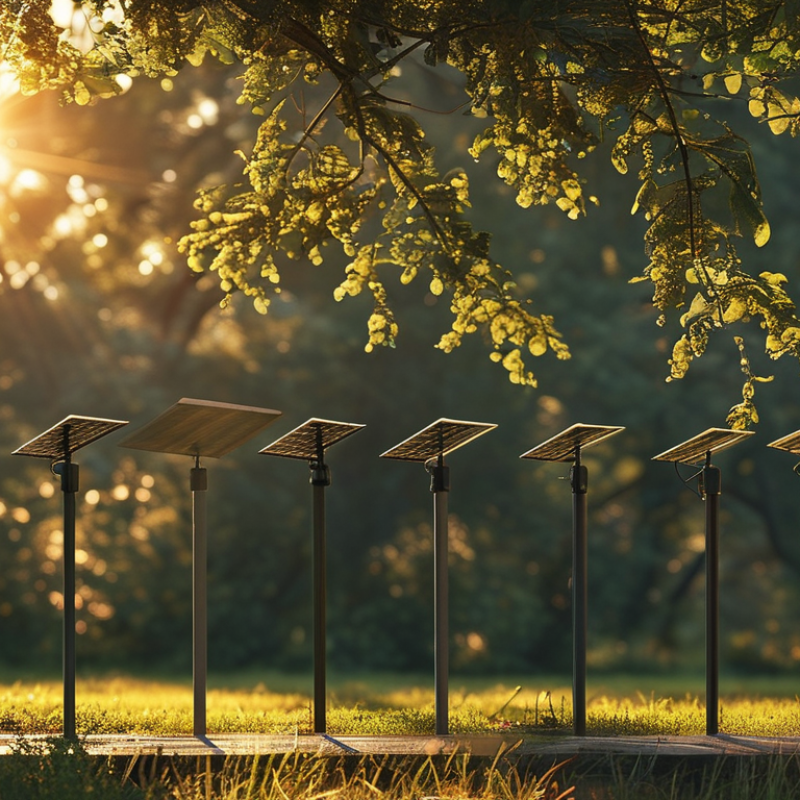
Solar lights are designed to harness energy from the sun. They utilize photovoltaic cells to convert sunlight into electricity. When solar lights are placed in the shade, this process is hindered. Limited sunlight exposure means reduced energy production, leading to insufficient charging.
Charging mechanisms in solar lights depend heavily on sunlight intensity. If the light is shaded by trees or buildings, the solar panel receives minimal light. As a result, the battery may not store enough energy for operation. It's important to remember this when installing solar lights. Placement can make or break their effectiveness.
Lesser-known factors also contribute to charging issues. Dust and debris accumulate on solar panels, blocking sunlight. Regular cleaning could enhance performance. Additionally, aging batteries may lose their ability to hold a charge, which can be frustrating. This is often overlooked when troubleshooting solar lights. Observing and understanding these nuances can improve your solar light experience.
Solar lights are a popular choice for outdoor illumination, but many users encounter issues with charging, particularly in shaded areas. The primary factor affecting solar light charging is sunlight exposure. Solar panels require direct sunlight to convert solar energy into electrical energy efficiently. In shaded areas, trees or buildings may block sunlight, limiting the amount absorbed by the panels. Even partial shade can significantly reduce the charging efficiency.
Another influencing factor is the angle of sunlight. During certain times of the year, the sun's position may make it challenging for solar panels to receive adequate light, even if they are not completely in the shade. Additionally, dirt and debris can cover the panels, further hindering performance. Regular cleaning of the solar panels can help maximize their ability to absorb sunlight.
On top of environmental factors, the quality of the solar lights plays a crucial role. Some lights may have less efficient solar cells compared to others, resulting in poor charging in any light conditions. Users must consider both their location and the type of solar light they choose. This complexity highlights the importance of understanding how different variables impact solar power systems, leading to better choices in outdoor lighting solutions.
| Factor | Description | Impact on Charging |
|---|---|---|
| Tree Cover | Shade created by trees can significantly limit sunlight exposure. | High impact; can lead to insufficient charging during the day. |
| Building Shadows | Nearby buildings or structures can block sunlight from reaching solar panels. | Moderate to high impact; affects charging efficiency. |
| Seasonal Changes | Changes in sun position during different seasons can alter light availability. | Variable impact; can affect light charging throughout the year. |
| Panel Orientation | The angle and direction of solar panels affect their ability to capture sunlight. | Moderate impact; improper orientation can lead to reduced charging. |
| Weather Conditions | Overcast conditions can limit light intensity, impacting charging effectiveness. | Moderate impact; consistent cloud cover can reduce overall charging. |
| Dirt and Debris | Accumulation of dirt or debris on solar panels can obstruct sunlight. | Low to moderate impact; regular cleaning improves efficiency. |
Solar lights rely heavily on sunlight intensity for optimal performance. When placed in shaded areas, their charging ability diminishes significantly. Studies show that solar lights require a minimum of 4-6 hours of direct sunlight daily to function efficiently. In shaded regions, solar panels struggle to capture enough light, leading to reduced battery levels.
Research indicates that solar panels can lose 50% to 90% of their efficiency in low-light conditions. Even partial shade from trees or buildings can severely impact the energy conversion process. The placement of solar lights should consider the sun's path to maximize exposure. In areas with limited sunlight, consider alternate lighting solutions.
Inconsistent sunlight can lead to a cycle of insufficient charging and dim performance. Observing solar light efficiency can reveal insightful patterns. For instance, a week of rainy weather can leave lights dimmer for extended periods. Evaluating the impact of light conditions is crucial for achieving optimal usage. Proper placement of solar lights can prevent headaches caused by inefficiency.
Solar lights are popular for their efficiency and eco-friendliness, but they face challenges in shady environments. One major issue is the lack of direct sunlight. According to the National Renewable Energy Laboratory, solar panels require at least 4-6 hours of direct sunlight to fully charge. Areas with trees or buildings can significantly reduce the amount of sunlight received.
In addition, dirt and debris on solar panels can hinder charging capabilities. Regular cleaning is advisable. A study by the Solar Energy Industries Association found that dirty panels can lose up to 25% of their efficiency. Overcast weather also plays a role. Extended periods of cloudy weather can limit solar energy absorption, leading to dim lighting performance.
Tips for enhancing solar light performance include positioning lights where they receive maximum sunlight. Trim surrounding vegetation to reduce shade. Clean the solar panels monthly to ensure optimal charging. Be aware that even slight obstructions can drastically impact performance. If lights remain dim, consider adjusting their placement or investing in higher-efficiency solar models. Identifying these issues can lead to better outcomes in lighting efficiency.
Solar lights are an excellent way to illuminate outdoor spaces sustainably. However, when shaded, these lights can struggle to charge effectively. To improve their charging performance, several strategies can be employed.
One effective approach is to reposition solar lights. Ensure they receive direct sunlight for most of the day. Place them in open areas where trees or structures do not obstruct sunlight. If relocating is not an option, consider installing a reflective surface nearby. This can help direct more light toward the solar panels.
Regular maintenance is also crucial. Dust and debris can accumulate on solar panels, reducing their efficiency. Clean the panels periodically with a soft cloth to maintain optimal function. Additionally, check for any obstructions that may not be immediately visible. Reflect on how the changing seasons affect sunlight exposure, and adjust the placement of lights as needed. Implementing these solutions can significantly enhance the charging of solar lights in partially shaded areas.
: Solar lights convert sunlight into electricity using photovoltaic cells. They need direct sunlight for optimal performance.
Shade reduces sunlight exposure. This leads to poor energy production and insufficient charging for the lights.
Solar lights require 4-6 hours of direct sunlight daily to operate efficiently. Less sunlight means dimmer lights.
Sunlight intensity, shading by trees or buildings, dirt on solar panels, and battery age can influence charging efficiency.
Dust and debris block sunlight. Regular cleaning boosts charging efficiency and overall performance of solar lights.
Yes, the sun’s position can affect how much light solar panels receive, even without complete shading.
Aging batteries may not hold a charge well. This can lead to unsatisfactory performance, affecting overall usability.
Placement is crucial. Avoid shaded areas and monitor the sun's path to ensure maximum sunlight exposure for charging.
Solar lights rely on sunlight to charge their internal batteries, making their performance significantly impacted when placed in shaded areas. The article explores the reasons behind "why are solar lights not charging in the shade," highlighting the solar light functionality and the mechanics involved in the charging process. Factors such as reduced sunlight intensity and the angle of solar panels play a crucial role in the efficiency of these lights, particularly where light exposure is limited.
Additionally, common issues arise when solar lights are used in partially shaded environments, leading to decreased operational efficacy. To address these problems, the article suggests practical solutions, such as repositioning lights for optimal sunlight exposure or utilizing reflectors to enhance light capture. Understanding these aspects can help users maximize the performance of their solar lights, even when placed in less than ideal locations.
