As winter approaches, many wonder about the reliability of solar street lights. The question on everyone's mind is, "how do solar street lights work in winter?" Dr. Emily Johnson, a leading expert in renewable energy, states, "Solar street lights can be efficient even in winter, but performance can vary based on several factors."
In colder months, shorter days and limited sunlight challenge these systems. Solar panels collect less energy due to snow accumulation and less sunlight. The battery capacity must also be considered. If not properly designed, systems may struggle to provide sufficient lighting during long, dark nights.
Yet, not all solar street lights are equal. Some models feature advanced technologies that enhance efficiency in low light. The integration of sensors can optimize performance based on environmental conditions. While there are innovations, it's essential to recognize that challenges remain, and continuous assessment is vital to improve their winter functionality. Collectively, these factors shape the conversation around solar lighting solutions during the colder months.
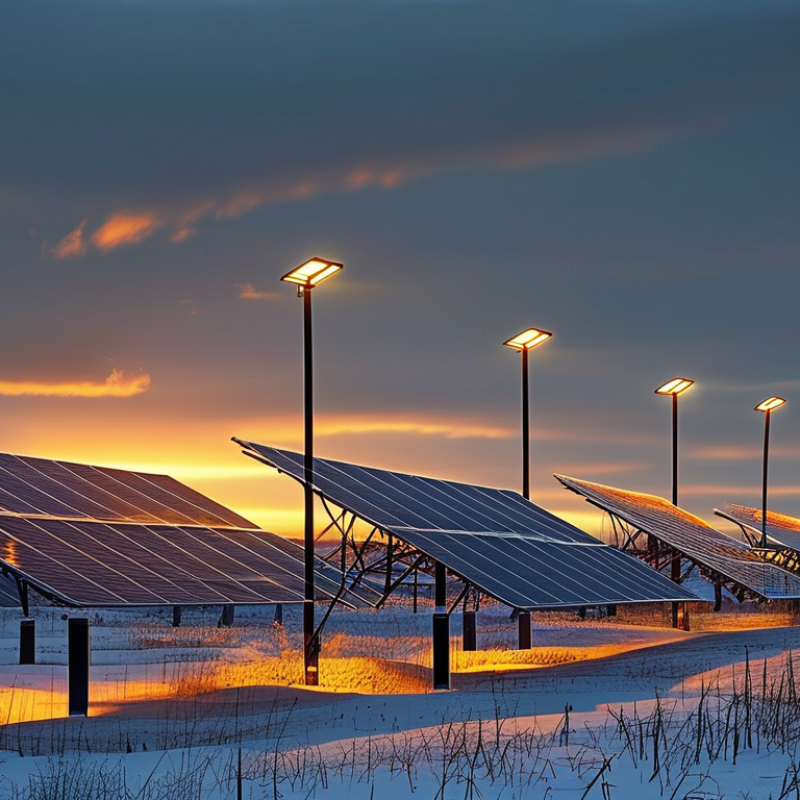
Winter presents unique challenges for solar street lights. Cold temperatures can affect the battery performance significantly. Batteries typically lose efficiency when temperatures drop. Many solar street lights rely on lithium batteries, which can struggle in freezing weather. This impacts their ability to hold a charge and provide adequate illumination.
Snow and ice also play a role in performance. Accumulations on solar panels reduce sunlight absorption. If panels are covered, the system cannot generate enough energy. Designers should consider the angle and placement of panels to minimize this issue. Regular maintenance, including snow removal, can help ensure consistent operation.
In addition, shorter daylight hours in winter limit solar charging time. This can lead to reduced battery life and lower output. Communities need to assess their specific conditions. Understanding these factors can guide proper installation and usage. A comprehensive evaluation of local weather patterns can improve the effectiveness of solar street lights in winter conditions.
This bar chart illustrates the average performance of solar street lights measured in lumens during winter months. As seen, the performance peaks in March and dips in January, demonstrating the impact of winter conditions on solar street light efficiency.
Winter conditions can significantly affect the efficiency of solar street lights.
Snow accumulation on solar panels can block sunlight, reducing energy production. Research shows that solar panel output can drop by up to 70% when covered by snow. Ice can also create similar challenges. Surfaces that are slick may hinder the natural melting of snow, prolonging the duration of inefficiency.
Temperature plays a critical role too. Solar panels operate optimally in cooler conditions.
However, extremely cold weather can increase the likelihood of snow and ice. According to industry reports, solar panels can regain about 90% of their efficiency once snow melts. Yet, this process varies greatly based on local climate and sunlight exposure.
While maintenance can address some of these issues, it may not be feasible in all locations. Regular cleaning of panels might require specialized equipment, especially in elevated areas. Monitoring tools can help optimize the performance of solar street lights. Nonetheless, these approaches may not fully compensate for the inefficiencies caused by winter weather. This reality invites deeper exploration into more advanced materials and technologies that can better withstand such conditions.
Winter conditions present unique challenges for solar street lights, particularly regarding battery performance and longevity. In colder temperatures, battery efficiency can decrease significantly. Research indicates that lithium-ion batteries, commonly used in solar applications, can lose about 20% of their capacity at temperatures around 0°C. This reduction can impact the duration that lights function during the night.
Moreover, the type of battery impacts longevity in cold weather. Lead-acid batteries may struggle even more, facing a capacity drop that can reach up to 50% in freezing conditions. Without adequate charging from sunlight, these batteries could deplete quickly. It is crucial for operators to assess the energy requirements based on seasonal changes. Regular maintenance and monitoring of battery health can help address these concerns.
In colder months, solar street lights may require a more robust design. Some systems attempt to mitigate cold effects by using thermal insulation. However, this is not a universal solution. Ongoing research in solar technology aims to enhance battery resilience. Different battery chemistries are being explored for their performance in extreme temperatures. Each improvement contributes to the reliability and effectiveness of solar street lights during winter.
Winter can be a challenging time for solar street lights. With shorter daylight hours, the solar panels receive less sunlight. This naturally affects their ability to store energy. During cloudy and snowy days, charging efficiency drops significantly. As the days grow colder, maintenance becomes crucial.
Solar street lights are designed for various conditions, but winter tests their limits. Energy reserves may deplete faster. Users might notice dimmer lights in extreme conditions. Inadequate sunlight during winter can compromise performance. Regular checks help identify issues early. Keeping solar panels clean is essential. Snow accumulation on panels can block sunlight. Over time, this can lead to decreased functionality.
Despite these challenges, many solar street lights perform adequately in winter. They offer a sustainable lighting solution. However, they may need adjustment based on location and environment. Understanding these dynamics is key for users. Local climate considerations can help ensure optimal performance.
When assessing the performance of solar street lights in winter, several factors come into play. One critical challenge is the reduced sunlight hours, particularly in higher latitudes. A report from the National Renewable Energy Laboratory indicates that solar energy production can decrease by 50% in winter months. This dramatic drop can affect the performance of street lighting systems reliant on solar power.
Innovative solutions are becoming essential. For instance, advancements in solar panel technology, such as bifacial panels, capture sunlight from both sides. This improvement can enhance energy absorption even in snowy or cloudy conditions. Additionally, integrating smart battery systems helps ensure that solar street lights remain operational during prolonged periods of low sunlight. Some studies suggest that incorporating lithium-ion batteries can improve energy storage efficiency by up to 30%, prolonging the functional period of the lights.
However, some challenges persist. Melted snow can obstruct solar panels, reducing their energy collection. Regular maintenance is required to ensure optimal performance. Furthermore, the initial investment in these advanced systems can be significant, which could deter some municipalities from adopting these solutions. Balancing cost and technology remains a reflective concern for many decision-makers in urban planning.
: Cold temperatures significantly impact battery performance in solar street lights. Batteries lose efficiency in freezing weather.
Snow and ice accumulation on solar panels reduces sunlight absorption, affecting energy generation and illumination.
Shorter daylight hours reduce solar charging time, leading to decreased battery life and lower output from the lights.
Regular maintenance, such as snow removal and cleaning panels, ensures consistent operation and effective energy absorption.
Bifacial solar panels and smart battery systems can improve energy absorption and efficiency in lower light conditions.
High initial investment costs for advanced systems can deter municipalities from upgrading, necessitating a balance between cost and technology.
Users should conduct regular checks, especially in winter, to identify issues and ensure optimal performance.
Yes, many solar street lights can perform well in winter, but adjustments based on location are often needed.
Melted snow can obstruct solar panels, further reducing their ability to collect energy and function effectively.
Understanding local climate conditions helps in proper installation and ensures optimal performance of solar street lights.
Solar street lights can face unique challenges during winter conditions, raising the question of how do solar street lights work in winter. Several factors affect their performance, including the accumulation of snow and ice on solar panels, which can reduce efficiency significantly. Additionally, cold temperatures can impact battery performance and longevity, posing further challenges for reliable operation.
The decrease in daylight hours during winter months also affects solar charging capabilities, making it crucial to explore innovative solutions for enhancing performance. These solutions may include improved designs that allow for automated snow removal or the use of advanced battery technologies to ensure that solar street lights remain functional even in harsh winter climates. By addressing these key areas, solar street lights can maintain their effectiveness year-round.
