10 Tips to Wire an Outdoor LED Wall Light with Motion Sensor?

Time:2026-06-19 Author:Henry
0%

Installing outdoor lighting is a practical decision that enhances safety and security. According to a report by the U.S. Department of Energy, outdoor LED lighting reduces energy consumption by up to 75% compared to traditional options. Additionally, the integration of motion sensors can minimize unnecessary energy use, as they only activate when movement is detected.

Understanding how to wire an outdoor LED wall light with motion sensor is essential for achieving maximum efficiency. Proper installation ensures that these lights function reliably, providing illumination where needed most. It’s important to note that improper wiring can lead to malfunctions or safety hazards, stressing the need for careful attention to detail.

While many homeowners may feel confident tackling this project, there are considerations to keep in mind. For instance, familiarity with electrical systems is crucial. Not everyone possesses this knowledge. Therefore, seeking guidance from professionals or trustworthy resources can make a difference. Mistakes can be costly and may require corrections. With the right tips and information, you can successfully enhance your outdoor space while maintaining safety and reliability.
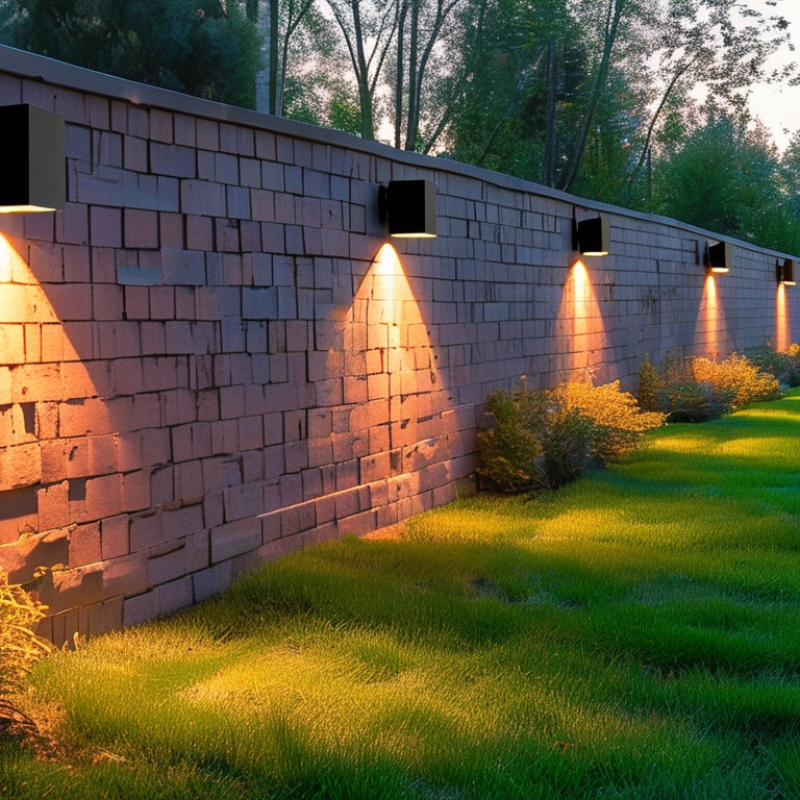
10 Tips to Wire an Outdoor LED Wall Light with Motion Sensor?

Understanding Outdoor LED Wall Lights with Motion Sensors

Outdoor LED wall lights equipped with motion sensors provide security and energy efficiency. These fixtures illuminate pathways and deter potential intruders. According to a report by the U.S. Department of Energy, outdoor LED lighting can save up to 75% more energy compared to traditional incandescent bulbs. This means substantial savings over time, benefitting both homeowners and the environment.


Understanding how these lights operate is crucial. Motion sensors detect movement within a specific range. When a person approaches, the light activates. However, some units may have trouble detecting pets or small objects. This can lead to unnecessary light activation. Many homeowners report mixed experiences with motion sensitivity, highlighting the need for careful selection.


Installation can be challenging for some. It's important to follow safety protocols and manufacturer guidelines. Studies suggest that poorly installed outdoor lighting systems may not function effectively. This can pose security risks and waste energy. Take time to optimize placement, ensuring optimal coverage without unnecessary activation. Emphasizing careful installation can enhance both safety and efficiency.

Gathering Necessary Tools and Materials for Installation

When installing an outdoor LED wall light with a motion sensor, gathering the necessary tools and materials is crucial for success. Start by collecting these items: wire strippers, a screwdriver, electrical tape, and a voltage tester. You will also need suitable mounting hardware and the light fixture itself. Ensuring you have everything on hand before beginning will save you time and frustration.

Tips for wiring can make the process smoother. Check local electrical codes to comply with safety standards. Always turn off the power supply before starting your installation. This simple step significantly reduces the risk of electrical shock. Also, consider using a voltage tester to confirm the power is off.

Carefully follow the manufacturer's wiring diagram. Mistakes can lead to functionality issues later. Don't rush; take time to double-check your connections. Just a small error can cause a light not to function properly. Finally, if you're unsure about any aspect, consulting a professional can provide peace of mind. Your safety is the priority.

Identifying the Best Location for Mounting the Light

When mounting an outdoor LED wall light with a motion sensor, choosing the right location is crucial. Ideally, the light should be installed near entry points like doors or garages. These areas benefit from enhanced visibility when someone approaches. High traffic zones help deter intruders and provide better illumination for safety.

Consider the height of the installation. Lights mounted too high may not detect motion effectively. Aim for a height between 6 to 8 feet. Avoid placing the fixture directly in front of windows, as this can trigger unnecessary activation from passing cars or pedestrians. Also, factor in nearby trees or structures that may obstruct the motion sensor’s view.

The direction of the sensor is also important. It should face the most likely path of movement, whether that's a walkway or driveway. Test the light’s sensitivity during installation. Sometimes, adjusting the angle can improve functionality. Be aware that placement near heat sources, like air conditioning units, can result in false alarms. Experiment with different spots if initial positioning doesn’t meet your expectations.

Outdoor LED Wall Light with Motion Sensor: Ideal Mounting Heights

Wiring the Outdoor LED Wall Light: Step-by-Step Instructions

Wiring an outdoor LED wall light with a motion sensor can be a great way to enhance home security. Proper installation is crucial. According to a report by the Institute of Electrical and Electronics Engineers (IEEE), nearly 30% of homeowners experienced reduced theft with outdoor lighting. Understanding the steps involved is essential for reliable operation.

Start by ensuring you have the right tools and materials. You will need wire strippers, junction boxes, and appropriate connectors. Always follow local electrical codes. Many homeowners forget about safety. For example, turning off the power at the circuit breaker is vital. Statistics show that electrical errors cause a significant percentage of home fires. Be diligent about inspecting wires for any signs of wear or damage.

Connecting the wires can be tricky. The motion sensor requires a specific setup to function correctly. Some users report troubleshooting issues due to improper connections. Take your time and double-check connections at each step. The best practice is to use waterproof connectors for outdoor installations. Reliable wiring can prevent moisture issues that lead to equipment failure. In conclusion, attention to detail is key in wiring an outdoor LED wall light.

Testing and Adjusting the Motion Sensor Settings for Optimal Performance

When installing an outdoor LED wall light with a motion sensor, testing and adjusting the sensor settings plays a crucial role. Make sure the sensor is positioned to cover the desired area. This can be tricky, especially if the light is too high or too low. A clear line of sight to movement is essential for proper detection.

After installation, walk around in the sensor's range to test its responsiveness. If the light does not activate, you may need to adjust the sensitivity settings. Some sensors allow you to fine-tune the detection range. If the motion detection is too sensitive, it might trigger with small animals or leaves rustling. Take your time to find a balance that suits your needs.

Another important aspect is the duration settings. Most motion sensors allow you to adjust how long the light stays on after activation. You might want it to turn off quickly in a low-traffic area. However, if you often return home late, a longer duration would be beneficial. Remember, trial and error is often necessary. Noticing how the light interacts with its environment ensures you make the right adjustments. Testing these settings can lead to optimal functionality and energy efficiency in your outdoor lighting.

FAQS

: What are outdoor LED wall lights with motion sensors used for?

: They enhance security and save energy by illuminating pathways and deterring intruders.

How much energy can outdoor LED lighting save?

It can save up to 75% more energy compared to traditional incandescent bulbs.

How do motion sensors function?

Motion sensors detect movement and activate the light when someone approaches.

Are pets detected by motion sensors?

Some motion sensors may struggle to detect pets or small objects, causing unnecessary activation.

What tools are needed for installation?

You require wire strippers, a screwdriver, electrical tape, and a voltage tester, among others.

Why is following installation guidelines important?

Poorly installed systems may not work efficiently, risking safety and wasting energy.

What height is ideal for mounting the light?

Aim for a height of 6 to 8 feet for optimal motion detection.

How should the sensor be positioned?

It should face the most likely path of movement, like a walkway or driveway.

What can obstruct the motion sensor's view?

Nearby trees, structures, or even air conditioning units can interfere and trigger false alarms.

What should I do if I'm unsure about installation?

Consulting a professional can help ensure safety and proper functionality.

Conclusion

In the article "10 Tips to Wire an Outdoor LED Wall Light with Motion Sensor," readers will learn how to wire an outdoor LED wall light equipped with a motion sensor efficiently and safely. The guide begins with an overview of outdoor LED wall lights and their benefits, followed by essential tools and materials needed for the installation. Selecting the optimal mounting location is crucial for performance, and step-by-step instructions are provided to ensure proper wiring.

Additionally, the article concludes with guidance on testing and fine-tuning the motion sensor settings, allowing users to achieve ideal performance in detecting movement. Overall, this comprehensive resource is a valuable tool for anyone looking to enhance their outdoor lighting setup while understanding how to wire an outdoor LED wall light with motion sensor effectively.

Henry

Henry

Henry is a dedicated marketing professional with a profound expertise in the company's offerings. With years of experience in the industry, he possesses an impressive understanding of the market dynamics and consumer behaviors that drive success. Henry is committed to sharing his insights through......