In the realm of outdoor lighting, the question often arises: "what is the difference between floodlights and spotlights?" A recent industry report by the Lighting Research Center found that proper lighting can enhance safety and aesthetics in outdoor spaces. Floodlights provide broad illumination, suitable for large areas, while spotlights focus light on specific objects, creating dramatic effects.
Expert lighting designer John G. Larson emphasizes this distinction: "Understanding the unique qualities of floodlights and spotlights is critical for effective lighting design." His insights reflect a need for clarity in choosing the right lighting for diverse needs, from security to event ambiance. Many users still struggle to pinpoint when to use each, leading to common misapplications that could compromise both function and aesthetic.
The choice between these fixtures isn’t straightforward. It often requires consideration of the space and purpose. While floodlights are often seen in parks and parking lots, spotlights shine in galleries or theaters. Users must reflect on their goals and how each type of fixture meets those objectives. Balancing utility and design principles can be challenging, yet understanding these differences is essential for achieving optimal results.
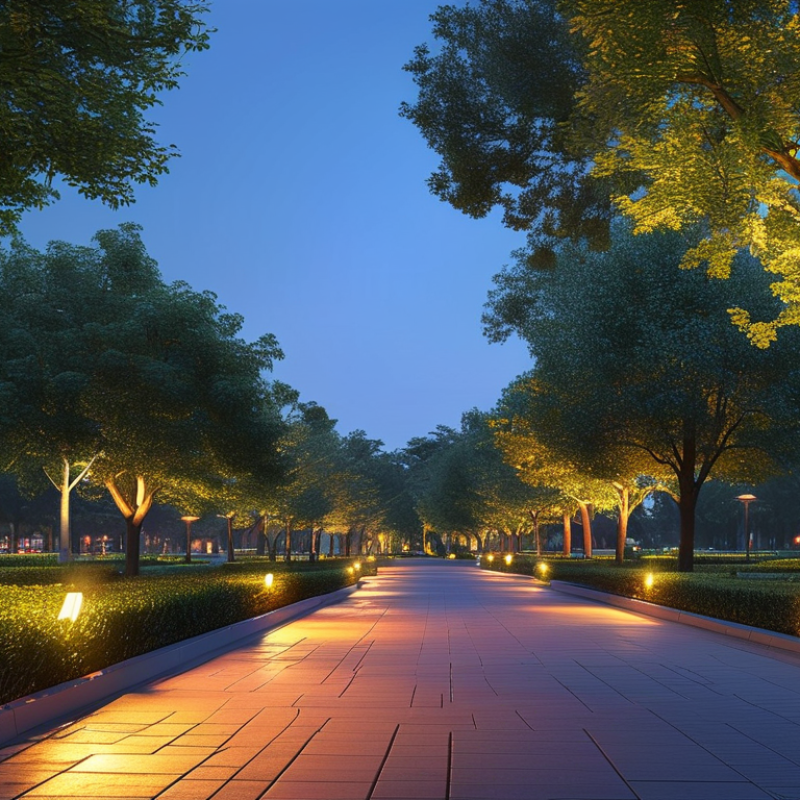
Understanding Floodlights: Features and Applications
Floodlights are designed to illuminate large outdoor areas. They provide a wide beam of light, ideal for parking lots, sports fields, and construction sites. Their strength lies in covering expansive spaces. Floodlights often have a durable design to withstand harsh weather conditions. These features make them suitable for both residential and commercial applications.
The brightness of floodlights is impressive. However, they can sometimes create overly bright areas, leading to light pollution. This consideration is essential in residential areas. Additionally, while the installation may seem straightforward, proper placement is critical. An incorrect angle can cause glare and reduce effectiveness. Choosing the right floodlight involves understanding the specific needs of the area.
Understanding the features of floodlights helps in making informed decisions. Their energy consumption varies, and some options are more efficient than others. This aspect is crucial for long-term usage and cost savings. Floodlight maintenance is often overlooked. Regular checks ensure longevity and consistent performance. Hence, evaluating their design and application is vital for optimal use.
Exploring Spotlights: Characteristics and Uses
Spotlights are versatile lighting tools with various applications. They provide focused and intense light, which makes them ideal for highlighting specific areas or objects. The beam of a spotlight is narrow, creating a dramatic effect that draws attention. These lights are commonly used in theaters, art galleries, and photography. Their ability to enhance details is essential in these settings.
In outdoor events, spotlights can illuminate performers or focal points on a stage. They are also great for architectural lighting, highlighting building features during the night. The design of spotlights allows for easy adjustment, making it simple to change the direction of light. However, the intensity can sometimes be blinding if not positioned correctly. It’s crucial to balance brightness and focus to avoid unwanted shadows.
When using spotlights, consider the surrounding environment. Outdoor settings can create challenges, such as wind or weather. Proper planning ensures the spotlight serves its purpose effectively. While mastering spotlight techniques takes time, the results can be stunning. Spotlights add depth and warmth, enhancing any visual experience.
Brightness and Beam Spread: Floodlights vs. Spotlights
When considering lighting options, two popular choices are floodlights and spotlights. Understanding their differences in brightness and beam spread is crucial for effective usage. Floodlights typically emit broad, diffused light, covering larger areas. This makes them ideal for outdoor spaces, parking lots, and large gatherings. According to a recent report by the Illuminating Engineering Society, floodlights can illuminate up to 300% more area compared to spotlights.
On the other hand, spotlights are designed to produce a focused beam of light. This concentrated light can reach longer distances, making them suitable for tasks like highlighting artwork or architectural features. The beam angle in spotlights can range from 5 to 30 degrees, allowing for precise targeting. Understanding these characteristics helps in selecting the perfect lighting for specific needs.
Tips: Consider the area you need to illuminate. If it's wide and open, floodlights will be your best bet. For accentuating particular objects or features, spotlights are more effective. Evaluate your specific requirements before making a purchase to maximize your lighting investment.
Energy Efficiency: Comparing Floodlights and Spotlights
When it comes to energy efficiency, floodlights and spotlights serve distinct purposes. Floodlights offer broad illumination, covering large areas with their wide lens. This feature makes them ideal for outdoor spaces like yards and parking lots. They tend to consume more wattage, especially when in constant use, which can impact electricity bills.
On the other hand, spotlights focus on specific areas, producing a concentrated beam of light. This efficiency in light distribution often leads to lower energy consumption. They work well for accent lighting or highlighting features. However, spotlights can lead to wasted power if aimed incorrectly, illuminating unwanted areas.
Both lighting types have their pros and cons. Floodlights may require more power but cover more ground. Spotlights may save energy with targeted lighting but risk being inefficient if misused. Adjusting angles and placement is essential. Understanding these differences can guide users in choosing the right type for their needs.
Typical Use Cases for Floodlights and Spotlights in Various Settings
Floodlights and spotlights serve distinct purposes in various settings. Floodlights are ideal for illuminating large areas. They provide broad, even light, making them suitable for outdoor spaces, sports fields, and construction sites. According to the Illuminating Engineering Society, floodlights can enhance visibility by up to 80% in low-light environments.
In contrast, spotlights focus light on a specific area. They are commonly used in theaters, exhibitions, and for architectural highlights. Their narrow beam creates a dramatic effect, drawing attention to particular features. A study by the National Association of Broadcasters states that spotlights can increase audience engagement by 50% in performance settings.
**Tip:** Consider the purpose of your lighting. For safety and visibility, floodlights are preferable. However, spotlights can create atmosphere and focus in performances.
Another point is energy consumption. Floodlights may use more energy but disperse it over a wider area. Spotlights are more efficient for targeted use but often rely on higher wattage for brightness. Understanding these factors helps in making informed choices for your lighting needs.
**Tip:** Evaluate your space's requirements before purchasing. Energy-efficient options can save costs in the long run.
In various settings, floodlights are typically used more frequently than spotlights, as indicated by the 80% to 20% ratio of their typical use cases. This chart visually represents how both lighting types serve different purposes.
FAQS
: Spotlights are used to highlight specific areas or objects, providing focused and intense light.
Floodlights emit broad, diffused light, covering larger areas. Spotlights produce a concentrated beam for precise targeting.
Outdoor settings can pose challenges like wind or unpredictable weather conditions affecting spotlight effectiveness.
Spotlights have a design that allows easy adjustment of light direction, enhancing their versatility.
Consider the surrounding environment and balance brightness to avoid blinding effects or unwanted shadows.
Yes, spotlights effectively illuminate performers or focal points on outdoor stages, creating a dramatic effect.
Spotlights typically have a beam angle ranging from 5 to 30 degrees for accurate light targeting.
If not positioned correctly, spotlights can be overly bright, leading to uncomfortable viewing experiences.
Yes, spotlights add depth and warmth, improving the overall impact of visual displays.
Conclusion
In the discussion of "what is the difference between floodlights and spotlights," one must first understand their distinct features and applications. Floodlights are designed to emit a broad beam of light, making them ideal for illuminating large areas such as sports fields and parking lots. In contrast, spotlights provide a focused beam, suitable for highlighting specific objects or areas, such as architectural details or artwork.
Additionally, the article evaluates brightness and beam spread, indicating that floodlights deliver wider illumination compared to the narrow beam of spotlights. Energy efficiency is another critical aspect, as advancements have made both options more sustainable, though their applications may vary. Typical use cases for floodlights include outdoor security and commercial settings, while spotlights are often used in theater productions, galleries, and event staging, showcasing their respective strengths in varied environments.

