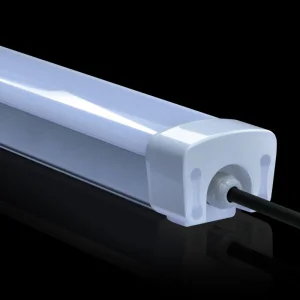
Engineered for extreme environments, structural integrity, and maximum luminous efficacy.
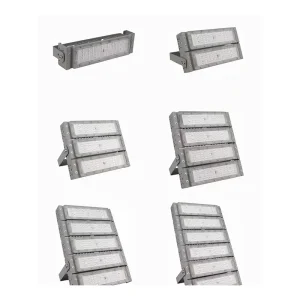
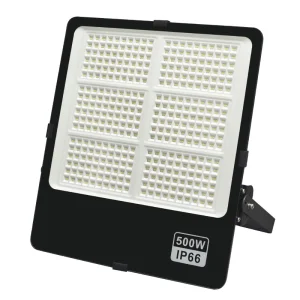
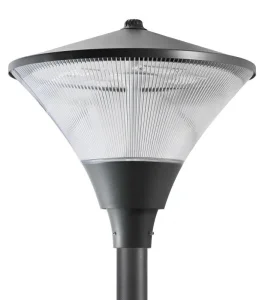
How intelligent networks, structural modifications, and green regulations are redefining road safety.
The global public illumination landscape is undergoing a monumental transition. Gone are the days when roadway lighting was evaluated solely on its raw lux output. In modern smart cities, street lighting functions as a central nervous system. Powered by integrated IoT communication interfaces (such as Zhaga or NEMA nodes), LED luminaires are expected to adapt in real time to traffic densities, meteorological alterations, and emergency events. This paradigm shift requires outdoor lighting solutions to possess exceptional hardware robustness, adaptive driver technology, and compatibility with standardized wireless protocols.
Moreover, stringent environmental compliance requirements, such as Europe's RoHS directives and regional "dark sky" certifications, are dictating strict parameters around optical engineering. Designers and municipal authorities now demand zero upward light ratio (ULR) and optimized glare control to reduce light pollution, while simultaneously requesting lower correlated color temperatures (typically 2700K to 3000K) to limit disruptive blue-light emissions. Consequently, LED street lights must balance high luminous efficacy (lm/W) with complex asymmetric lens profiles to safely distribute light across multi-lane highways without bleeding into surrounding natural ecosystems.
Balancing Total Cost of Ownership (TCO) with performance limits to ensure long-term ROI.
Asymmetric lighting distribution patterns (IESNA Type I, II, III, IV, and V) are critical. Proper distribution minimizes transverse glare and targets light directly to the road surface, reducing required wattage while maximizing spacing between poles.
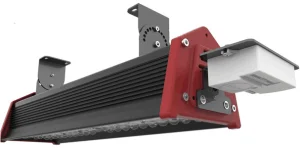
High-ambient environments degrade LEDs quickly. High-quality fixtures incorporate ADC12 die-cast aluminum housings with integrated aerodynamic heat sink paths, maintaining junction temperatures below 75°C to preserve driver and LED lifespans.
Outdoor grids suffer from heavy power fluctuations and lightning strikes. Demanding tenders require Class I/Class II drivers with standard 10kV to 20kV built-in surge protection devices (SPDs) and dimming flexibility (DALI-2 / 1-10V).
| Performance Indicator | Standard Specification (Entry Level) | High-Spec Procurement Standard | Project Significance |
|---|---|---|---|
| Luminous Efficacy | 120 - 130 lm/W | 150 - 170 lm/W | Direct reduction of operational energy cost. |
| Color Rendering Index (CRI) | Ra ≥ 70 | Ra ≥ 80 / R9 > 0 | Improves spatial contrast and object recognition for drivers. |
| Ingress / Impact Protection | IP65 / IK07 | IP66 / IK09 or IK10 | Prevents moisture/dust ingress and vandalism damages. |
| Lumen Maintenance (L80B10) | 35,000 Hours | > 50,000 to 100,000 Hours | Reduces long-term manual servicing and replacements. |
From heavy industrial zones to coastal pathways, explore specialized system deployments.
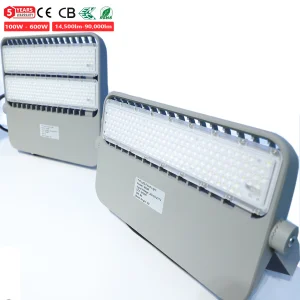
High-speed thoroughfares require high pole mounting heights (10m to 12m) and consistent luminous uniformity (U0 ≥ 0.4). Precise photometric lenses are deployed to deliver high-brightness coverage over multiple traffic lanes with minimal glare.
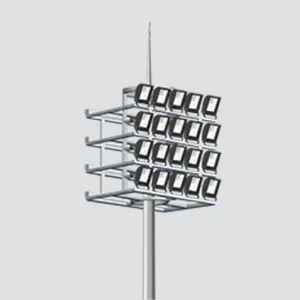
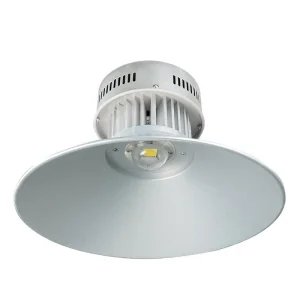
Corrosive environments, marine moisture, and high vibration levels require specialized surface coatings (C5-M class anti-corrosion paints) and high mast fixtures (up to 400W-1000W) designed to withstand high winds and thermal loads.
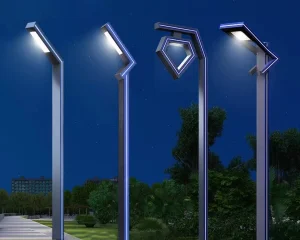
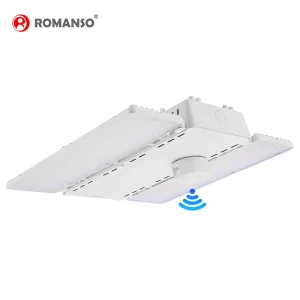
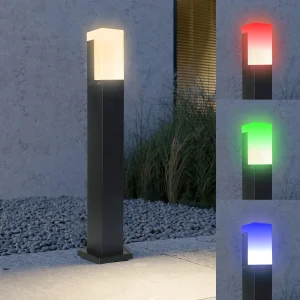
Combining functional post-top illumination with smart sensors. These zones typically deploy lower wattages (30W-60W) and warmer color temperatures, and feature integrated RGBW accents or smart motion-detection dimming profiles.
A trusted global partner delivering reliable, efficient, and innovative solid-state lighting systems.
Jiangxi Sneak Lights Co., Ltd. is a leading provider of high-quality lighting solutions, dedicated to delivering reliable, efficient, and innovative products for projects worldwide. With a commitment to excellence, we combine technical expertise, advanced manufacturing, and customer-focused services to meet the diverse needs of our clients.
Quality is the cornerstone of our business. Every product undergoes strict testing and rigorous quality control processes to ensure durability, reliability, and consistent performance. Our products comply with international standards and certifications, giving customers confidence and peace of mind in every lighting solution we provide.
Our team of experienced engineers, lighting designers, and technical specialists offers professional guidance at every stage of your project. From product selection and system design to installation support, we provide tailored technical solutions that ensure efficiency, performance, and long-term success.
We recognize that every project has unique requirements. Jiangxi Sneak Lights Co., Ltd. offers flexible customization options, including color temperature, beam angle, housing design, control systems, and mounting solutions. By collaborating closely with our clients, we deliver personalized lighting solutions that exceed expectations.
Innovation drives our growth. We continuously invest in research and development to create cutting-edge, energy-efficient, and environmentally friendly lighting products. By integrating the latest LED technologies and smart lighting systems, we enable customers to achieve superior performance, energy savings, and sustainable solutions.
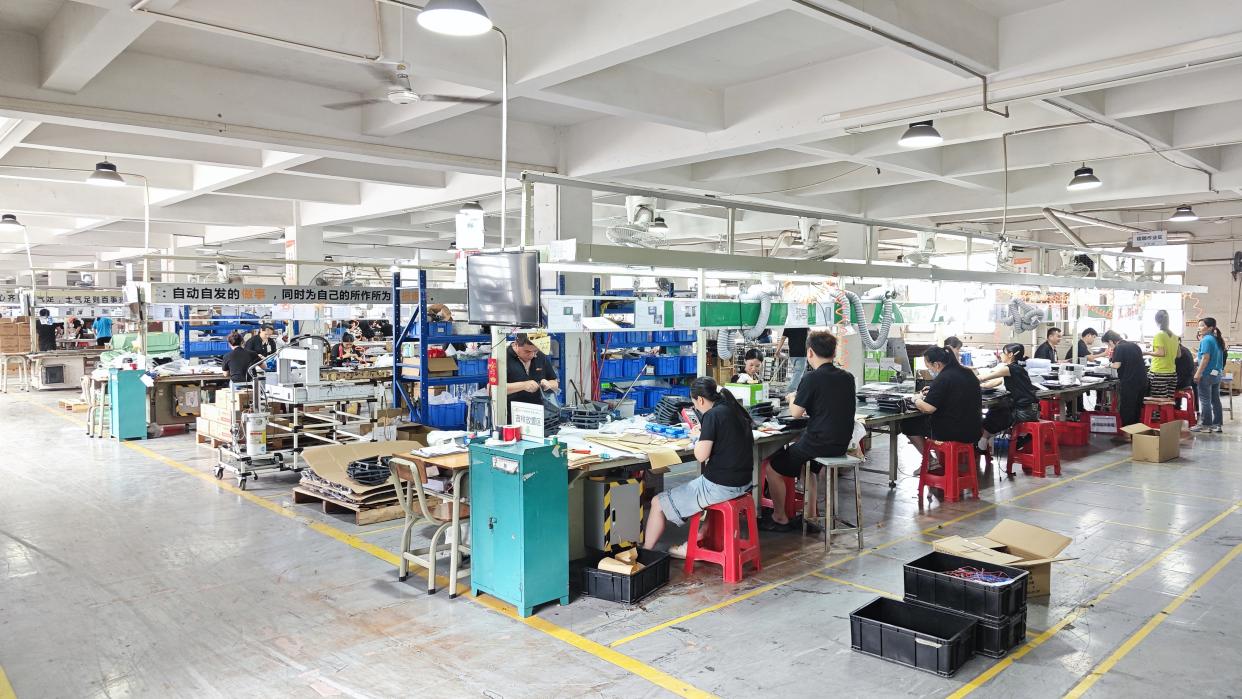
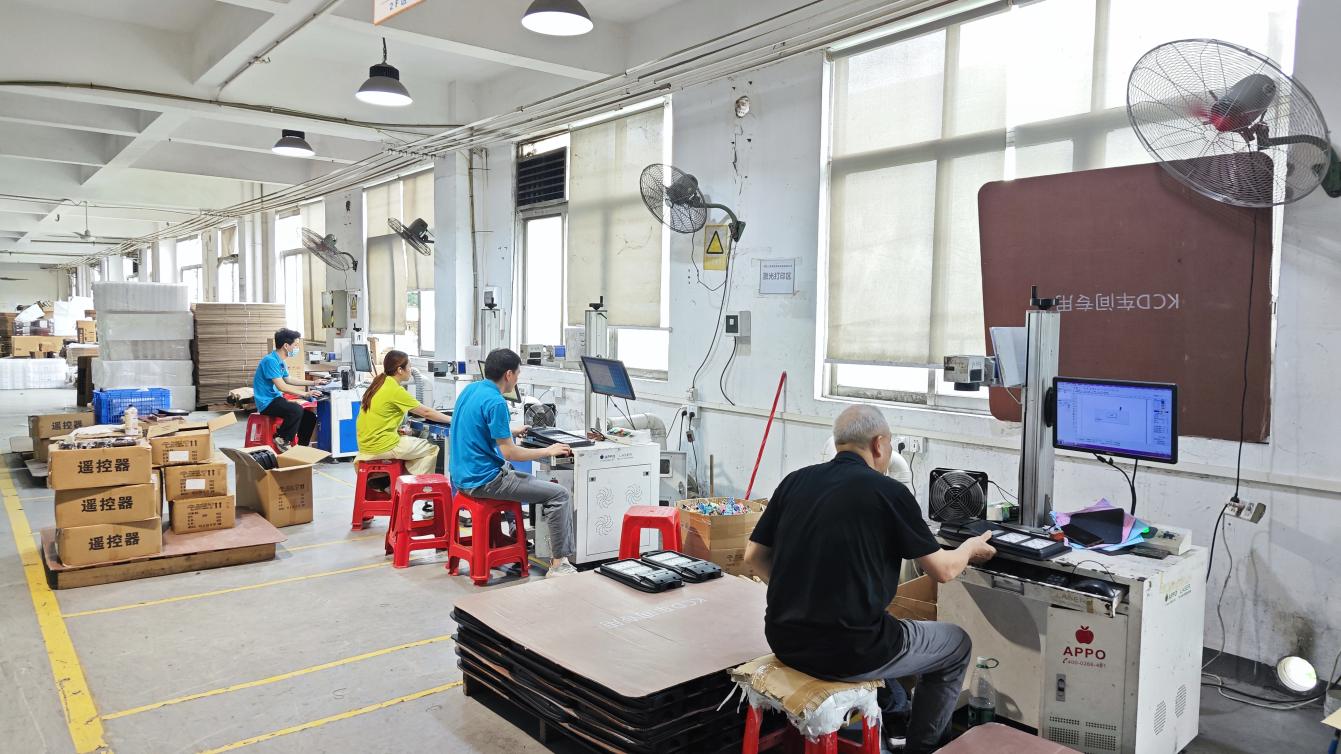
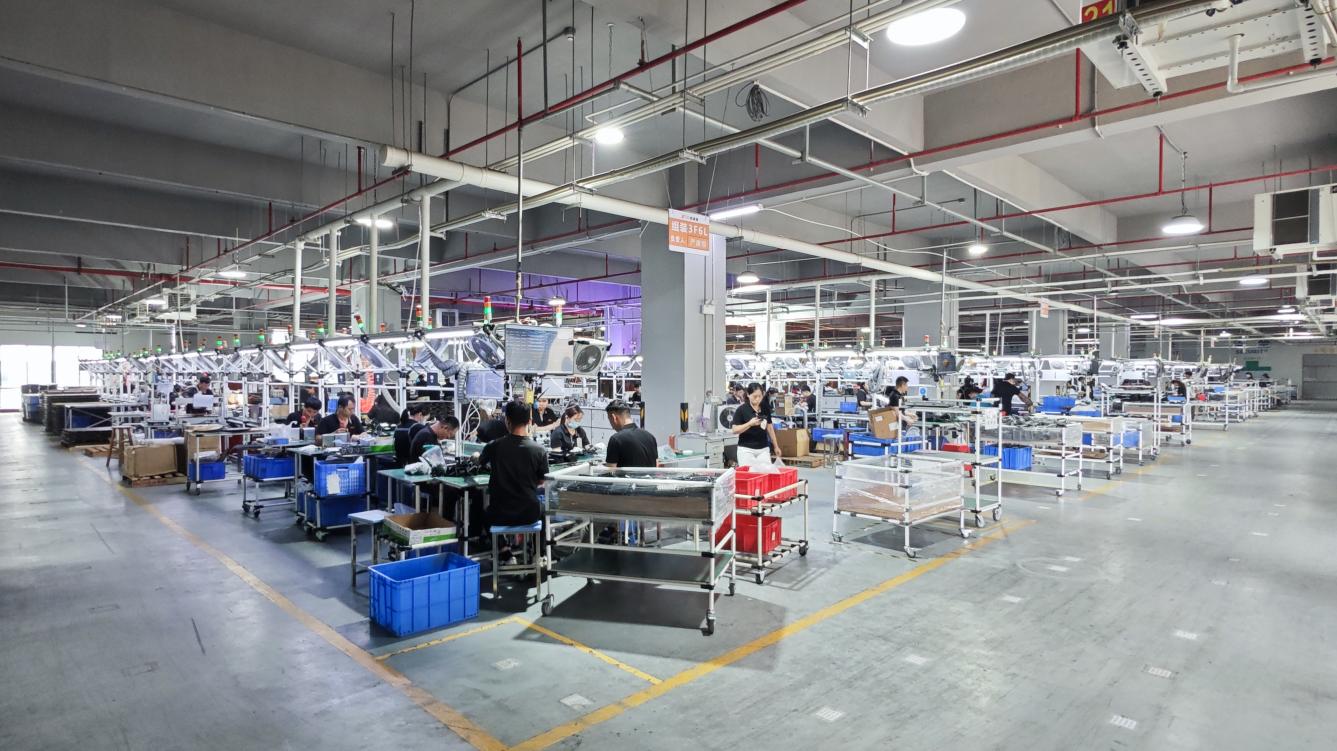
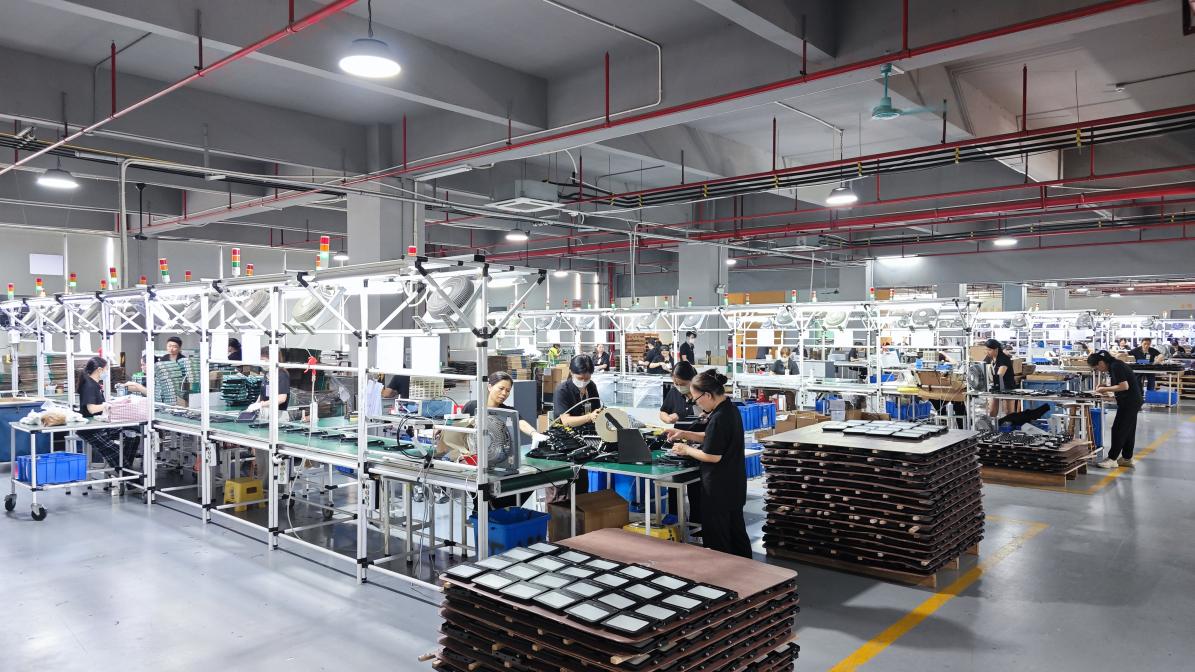
Equipped with state-of-the-art facilities and modern production technologies, we maintain high manufacturing efficiency while upholding strict quality standards. This allows us to deliver reliable products with competitive pricing and timely delivery, supporting projects of any scale.
Jiangxi Sneak Lights Co., Ltd. serves clients across various industries and international markets. Through high-quality products, innovative solutions, and dedicated service, we strive to become a trusted global partner in the lighting industry, helping businesses and communities create brighter, safer, and more sustainable environments.
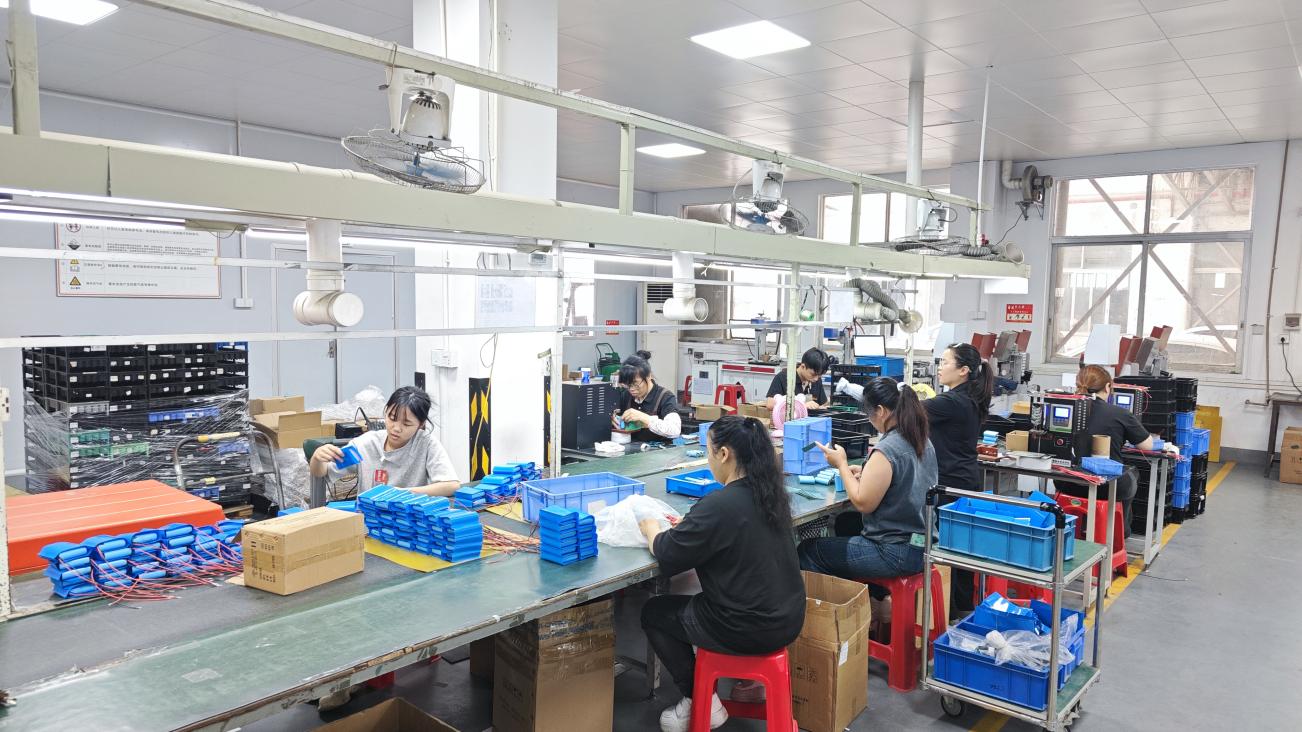
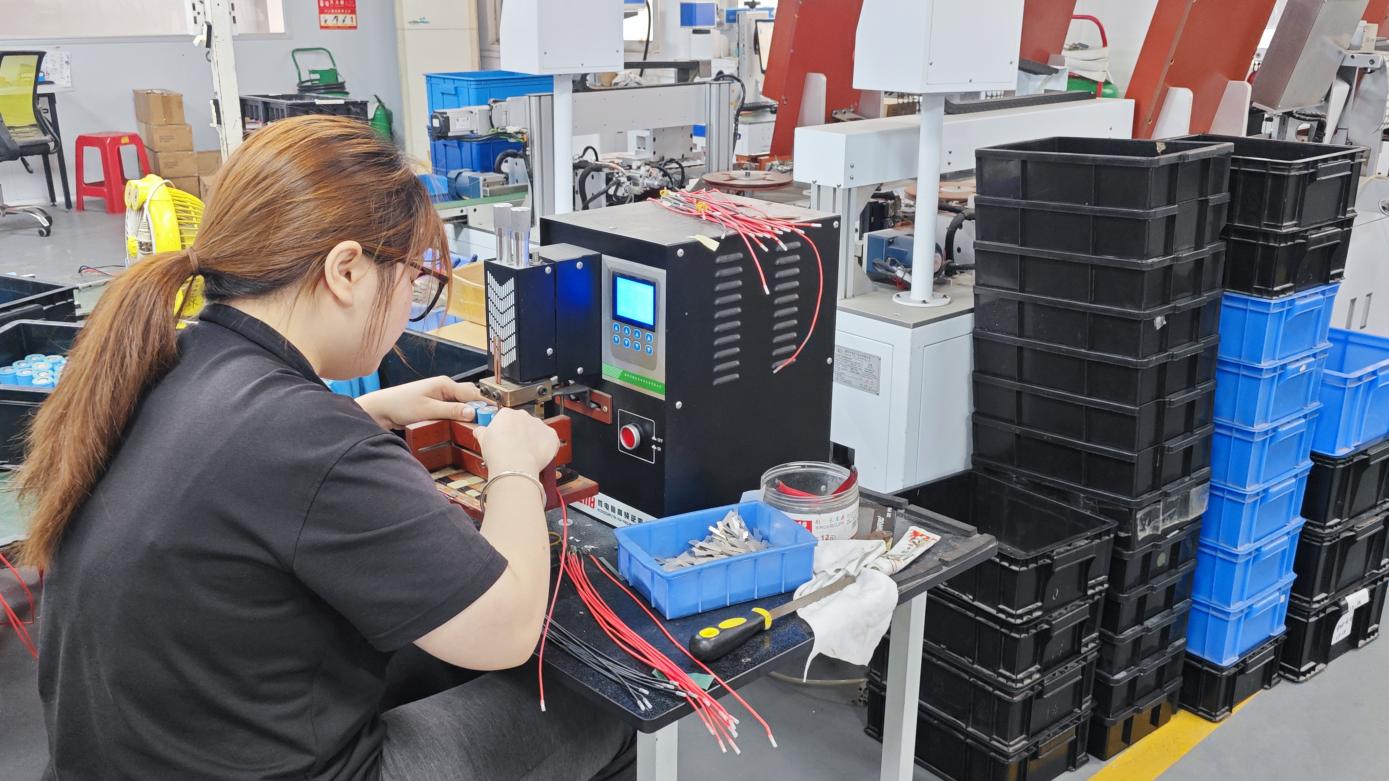
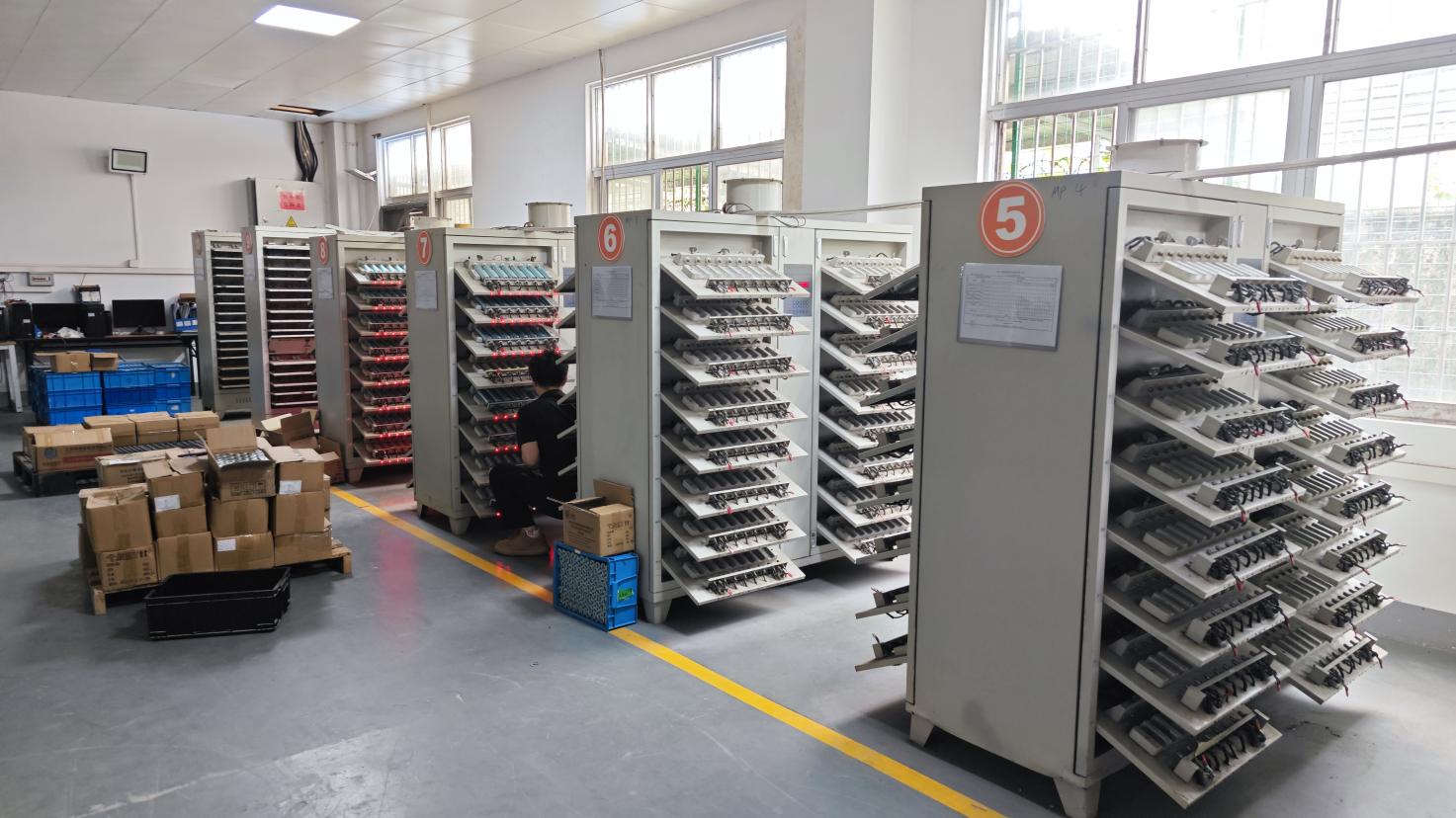
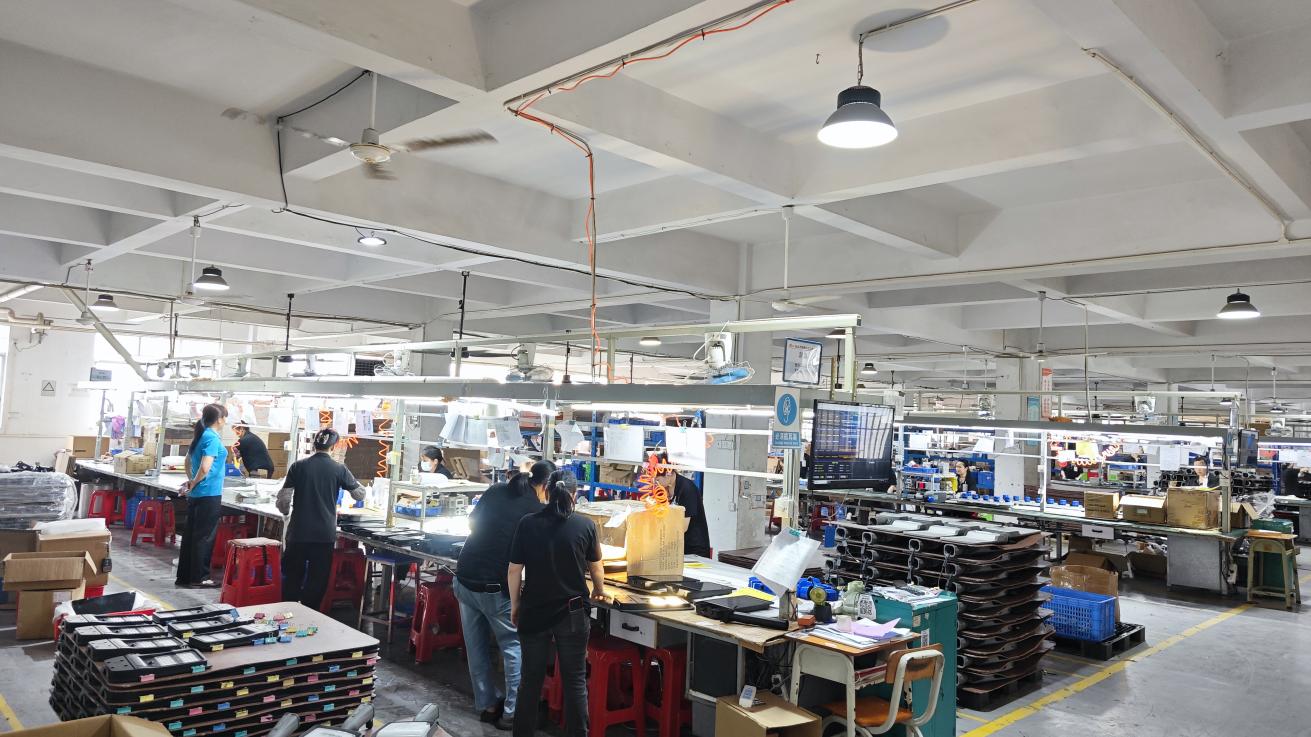
Explore our specialized assembly steps, battery testing processes, and automation infrastructure.
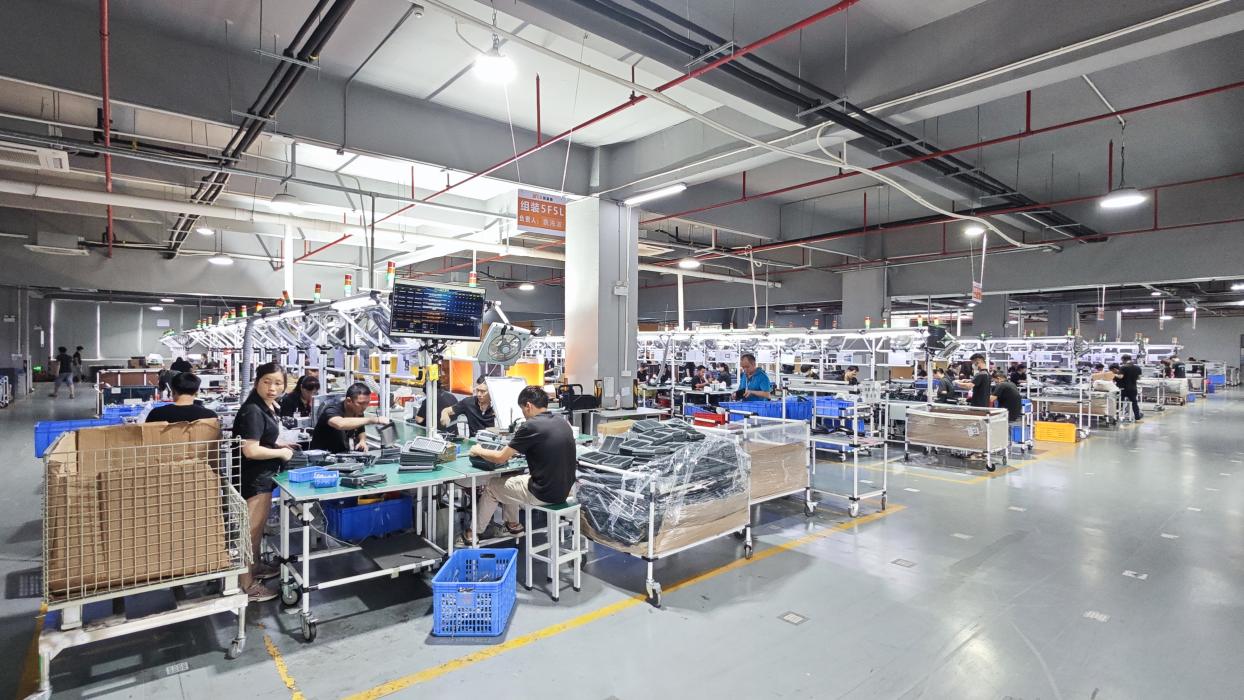
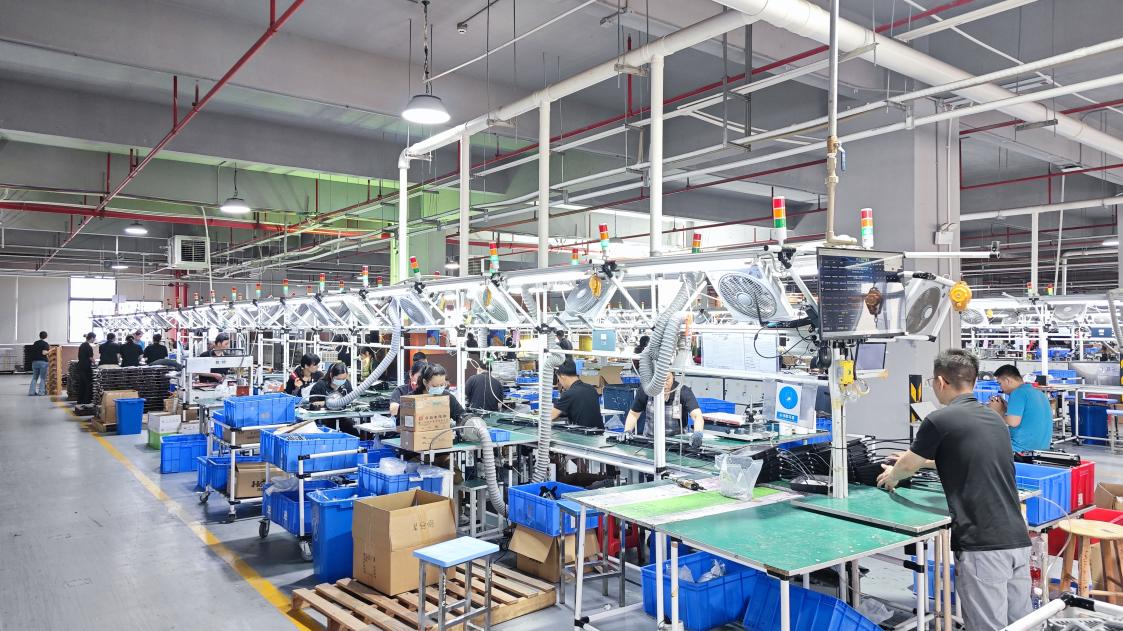
Unveiling our R&D direction for smart cities, LiFi networking, and high-density solar integration.
Moving forward, Jiangxi Sneak Lights is positioning its product architecture to support the ongoing shift toward Smart Infrastructure. We are focused on three core engineering pillars: Autonomous Dimming networks, IoT node standardization, and high-efficiency hybrid solar configurations. By partnering with leading sensor manufacturers, we aim to deliver street lighting solutions that act as integrated communication nodes, combining environment-monitoring tools and electric vehicle (EV) charging assistance with functional road illumination.
Our future designs will feature direct compatibility with Zhaga Book 18 socket requirements, allowing project teams to plug in smart IoT modules without replacing or rewiring the entire fixture. Concurrently, our engineering team is addressing key challenges in solar battery lifespans, optimizing power transfer rates using Maximum Power Point Tracking (MPPT) micro-controllers, and refining LiFePO4 battery pack cooling solutions to prevent thermal issues in hot desert regions.
Rigorous verification steps to ensure compliance with European, American, and regional electrical safety regulations.
Every design underwent goniophotometer verification to generate accurate IES files. This guarantees that light levels match target specifications, eliminating post-installation performance discrepancies.
Designed to withstand constant heavy traffic vibrations on overpasses and bridges. The housing materials undergo structural simulation to prevent mechanical fatigue and fatigue-induced joint failures.
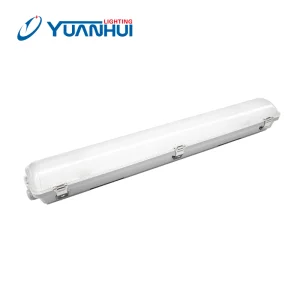
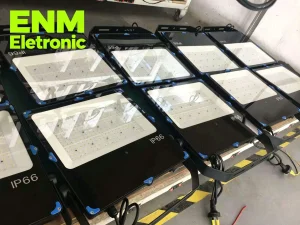
Fixtures are tested in high-humidity chambers and subjected to direct high-pressure water jets (IP66 testing) alongside dust chamber exposure to verify that seals and drivers remain protected over years of service.
Detailed technical answers to common queries raised by engineering professionals and procurement teams.
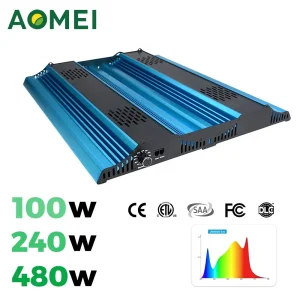
High-lumen designs, custom agricultural grow systems, and heavy-duty weatherproofing fixtures.